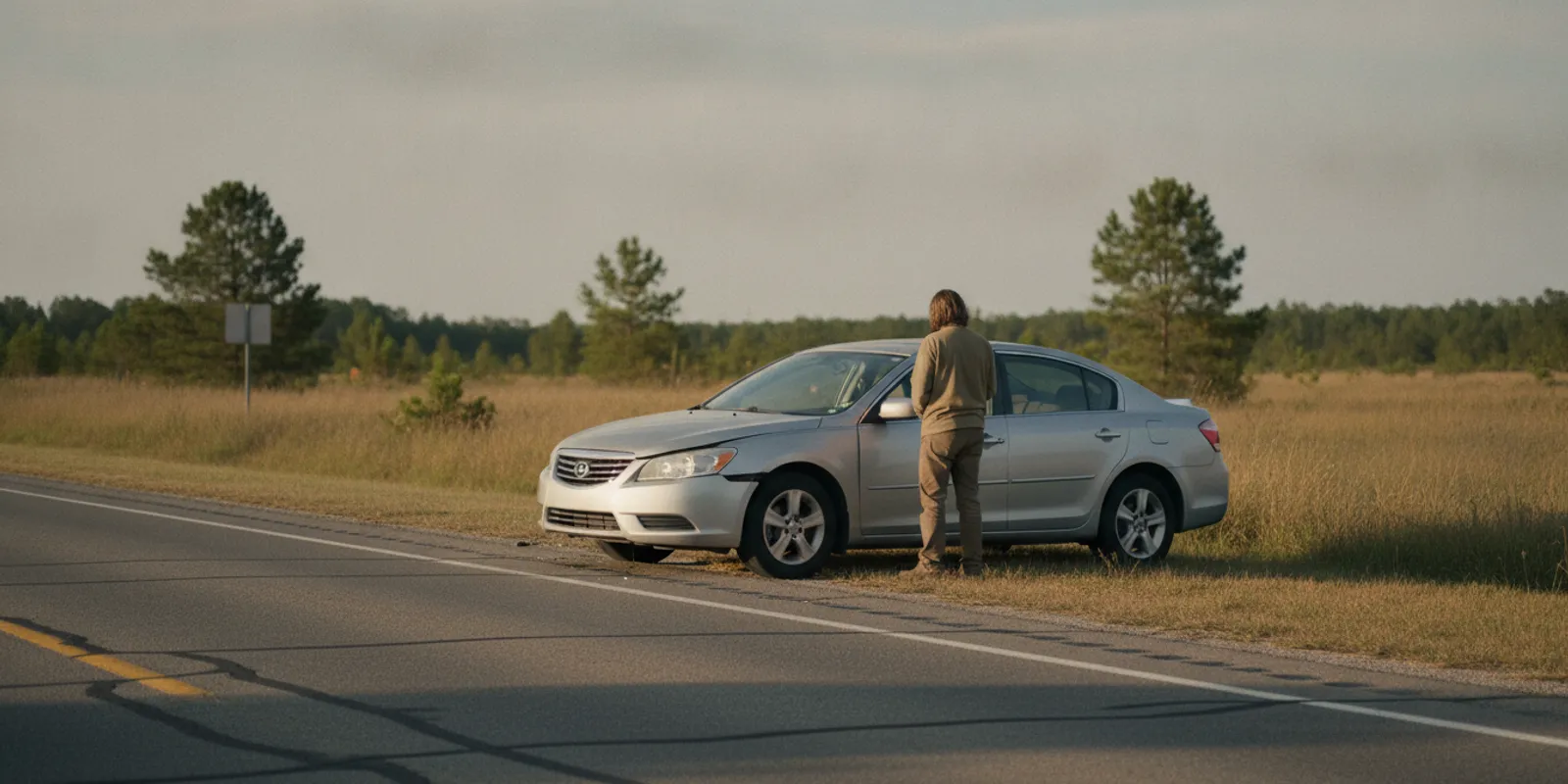
A Florence car crash can leave you managing pain, missed work, vehicle damage, and calls from insurance companies all at once. If you are looking for a car accident lawyer in Florence, start by protecting your health and keeping useful records. The steps you take in the first hours and days can help you understand what happened and make informed choices about a possible claim.
Talk with Hammack Law Firm about your crash
What should you do right after a Florence car accident?
First, check for injuries and call 911 if anyone may need emergency help. Move out of traffic if you can do so safely. Do not put yourself or others at risk to gather evidence. A crash on or near I-95, I-20, US 52, or another busy Florence-area road can create additional hazards from passing traffic, poor visibility, or vehicles stopping in unsafe places.
Once it is safe, exchange information with the other driver and cooperate with responding officers. Give factual answers about what you observed. Avoid arguing about fault or guessing about speeds, distances, or what another driver was doing. You can review practical guidance about what to do after a car accident and whether a police report is required.
- Call 911 when there is an injury, a safety hazard, or another reason emergency assistance is needed.
- Get to a safer location if possible, but do not leave the scene without following the officer’s directions.
- Exchange names, contact details, driver’s license information, and insurance details.
- Ask how to obtain the incident or crash report and write down any report number provided.
- Do not post crash details or speculate about responsibility on social media.
Follow the officer’s instructions and answer questions honestly. If you are unsure about a detail, say so instead of filling in a guess. A report can be an important record, but it may not capture every detail or resolve every disagreement about how the crash happened.
If you are shaken or your vehicle is blocking a lane, focus on the immediate safety instructions from emergency personnel. Do not try to direct traffic yourself. If you are able to move your car safely, take care when exiting and keep passengers away from the roadway. At a busy interchange or shoulder, visibility can change quickly, so an attempt to photograph the scene is not worth risking another collision.
Before you leave, check that you have the other driver’s insurance and contact information, the report number if one is available, and the names or contact details of witnesses. If you cannot collect everything because of an injury or unsafe conditions, do not worry about completing a checklist at the scene. You can write down what is missing and follow up when you are in a safe place.
How can you document evidence without risking your safety?
When the scene is secure and you are able, take photographs or short videos before vehicles are moved. Capture the overall scene as well as close details. Include vehicle positions, damage, road markings, traffic signs, debris, skid marks, weather conditions, and any visible obstruction. Do not step into a travel lane or stand where approaching drivers cannot see you.
Make a note of the time, location, direction of travel, and what you remember. If you were on a state or federal route, record the nearest exit, intersection, mile marker, or recognizable landmark. Florence-area trips may involve interstates and connecting roads; a precise location can help distinguish one intersection or ramp from another. Memory can fade, so a brief note made soon after the crash may be useful later.
| Evidence to preserve | What it may help clarify | How to keep it |
|---|---|---|
| Scene and vehicle photos | Vehicle positions, damage, road layout, and visible hazards | Keep original files; note when and where you took them |
| Witness names and contact details | What another person saw or heard | Ask politely for a way to reach them; do not pressure them to take sides |
| Crash report and exchange information | People involved, insurance information, and the responding officer’s record | Save the report number and obtain a copy when available |
| Medical records and receipts | Symptoms, treatment, follow-up care, and related expenses | Keep visit summaries, bills, prescriptions, and appointment notes together |
| Work and travel records | Time missed, schedule changes, and transportation costs | Save employer communications, pay records, and receipts |
Keep the unedited originals of photographs, texts, emails, and other digital records. Back them up somewhere secure. If nearby businesses or homes may have cameras, note their locations and the time window. Do not assume footage will be kept indefinitely; you can ask the property owner how to make a preservation request. A lawyer can explain whether formal steps may be appropriate.
For the official process of obtaining a report, see the firm’s guide to getting a South Carolina crash report. The report is one piece of information, not a substitute for preserving your own photographs, medical records, and witness details.
Give each digital file a simple, descriptive name or place it in a dated folder. For example, create separate folders for scene photos, medical paperwork, repair documents, and insurer letters. Save messages in their original form when practical rather than relying only on screenshots. If a witness shares a phone number by text, preserve that message. These small habits make it easier to locate records when a provider, insurer, or lawyer asks for a specific item.
It can also help to make a short timeline while events are still fresh. Write down when you left home, where you were headed, the approximate crash time, when you called for help, and the first symptoms you noticed. Keep this factual. Do not edit a note later to make it sound more certain than you were at the time; if you remember an additional detail, add a dated clarification.
Why should you seek medical care and keep following up?
Get evaluated by a medical professional after a collision, especially if you have pain, dizziness, confusion, weakness, or symptoms that appear later. Some injuries are not obvious at the scene. A clinician can assess your condition and recommend care. Do not rely on an insurance adjuster or a web article to diagnose an injury.
Follow the treatment plan you and your medical provider discuss. Keep appointments when possible, and tell the provider about new or changing symptoms. If you cannot attend an appointment, contact the office and ask what to do next. Save discharge instructions, referrals, prescriptions, receipts, and records of travel for treatment. These documents can help you and your care team track what happened after the crash.
There may be practical barriers to care, such as transportation, cost, or work responsibilities. Tell the provider about those concerns and ask what options are available. Keep a simple dated note of symptoms and how they affect daily activities, but treat it as a personal record—not a substitute for medical advice. The firm’s overview of injuries seen in vehicle collisions discusses general injury categories; your own assessment belongs with a medical professional.
When describing symptoms, be specific rather than using a general label alone. You might note when pain began, where you feel it, whether it changes during the day, and which activities are harder than before. Share that information with your clinician, who can decide what is medically relevant. Do not try to match your symptoms to a diagnosis you read online, and do not stop care or change medication without discussing it with the provider.
If treatment involves several providers, keep their names and appointment dates in one place. Ask how to obtain visit summaries and how to send records between offices if needed. If you miss an appointment, record the reason and any follow-up instructions. The goal is to communicate clearly about your health, not to create paperwork for its own sake. Medical decisions should remain between you and your treating professionals.
What should you say when an insurance company calls?
You may hear from your own insurer and from another driver’s insurer. Be courteous, record the caller’s name and company, and ask what information is being requested. You can provide basic factual information, but you do not have to speculate or agree with an interpretation of the crash just because someone asks for an immediate answer.
Before giving a recorded statement, signing a release, or accepting a payment that may close a claim, make sure you understand what you are agreeing to. A quick payment may not account for treatment that is still ongoing or all of the issues in dispute. The right approach depends on the policy, the facts, and the stage of your recovery. Read the firm’s practical discussion of speaking with an insurance company and what may happen if an auto claim is denied.
Keep a log of calls, letters, claim numbers, and deadlines an insurer gives you. Save copies of anything you send or receive. If you do not understand a document, ask for time to review it and consider getting legal guidance before signing. Do not send original records unless you have confirmed why they are needed and kept a copy.
Try to separate what you know from what you are still investigating. You may know the time and place of the crash but not the other driver’s speed or the sequence of events. You can say that you do not know rather than estimate. If an adjuster asks about prior injuries or medical history, answer accurately, but do not guess at what records mean. You can ask what the request covers and how the information will be used.
If the vehicle is not drivable, photograph it before repairs or disposal when it is safe and practical. Save the tow receipt, storage information, repair estimate, and any written communication about inspection. Ask the insurer how it wants you to proceed before authorizing work that may affect an inspection, and keep a copy of the estimate and final invoice. If you rent a replacement vehicle or use another way to get to work or medical appointments, save receipts and note the dates. Whether particular costs are covered depends on insurance terms and the facts, so avoid assuming reimbursement is automatic.
When a representative calls, you can ask for the caller’s direct number, claim number, and a written description of requested documents. You do not need to answer a complicated question on the spot if you are unsure what is being asked. Take a moment to review your notes, and correct a misunderstanding calmly. Keep the conversation focused on facts you know first-hand. If you are asked to sign a medical or other records release, read its scope and ask what records and time period it covers before deciding what to do.
A simple contact log can prevent missed messages and repeated explanations. Record the date and time, the person’s name, the company, the subject discussed, any promised follow-up, and the date you expect to respond. If you send a document electronically, note which file you sent and save the sent email or upload confirmation. Avoid putting sensitive records in a public post or sending them to an unverified address. If a claim number or deadline is unclear, ask the insurer to confirm it in writing.
What can affect a car accident claim in Florence?
A claim may involve more than the visible damage to a vehicle. Relevant questions can include how the collision occurred, what evidence is available, whether an injury is connected to the crash, what insurance coverage applies, and how the injury affects work and daily life. The answers vary by case. Neither a photograph nor a single line in a crash report automatically settles every issue.
Potentially relevant records can include treatment notes, repair estimates, photographs, wage information, and communications with insurers. Keep them organized by date. Avoid exaggerating or minimizing symptoms when describing them; clear, consistent information helps your medical providers and anyone reviewing the claim understand what you experienced. For a general explanation of damages, see what damages may be considered after a car accident.
Timing also matters. Legal deadlines depend on the facts and the type of claim, and evidence can become harder to locate over time. Do not assume that a general online deadline applies to your situation. The firm’s page on the South Carolina car accident filing deadline is a starting point for questions, not a substitute for advice about a specific crash.
Responsibility may be disputed, or the available records may tell only part of the story. The drivers may describe events differently. A witness may have seen the moments before impact but not what happened afterward. Photos can show the final position of vehicles without showing how they got there. Preserving the original materials and writing down what you personally remember can help keep those distinctions clear.
Insurance coverage questions may also involve more than one policy. For example, your own policy and another driver’s policy may have different terms, and a vehicle owner may not be the person who was driving. Do not assume that a particular policy applies or that a particular expense will be paid. Ask the insurer to identify the relevant coverage and explain its position in writing if a point is unclear.
The details of the location can matter to your own recollection. If the collision happened at a ramp, intersection, or road with several lanes, write down the direction each vehicle was traveling and where you were in relation to a landmark. Do not return to a dangerous roadway to investigate. If you have a passenger who remembers the event differently, keep each person’s recollection separate rather than trying to combine accounts.
When may legal guidance be useful?
You may want to discuss your options with a lawyer if you were injured, treatment is ongoing, responsibility is disputed, an insurer is asking for a recorded statement or release, or you are receiving conflicting information about coverage. Legal guidance may also help when several vehicles or parties are involved, a commercial vehicle is part of the collision, or the available records do not match your account of what happened.
Hammack Law Firm represents people in personal injury matters and serves clients in Florence and other South Carolina communities. Learn more about the firm’s Florence personal injury representation. Paul Hammack’s experience representing insurance companies before representing injured people informs the firm’s perspective on how insurers evaluate claims; that history does not guarantee a particular outcome.
A first conversation can focus on the basic facts: where and when the crash occurred, what injuries you know about, whether you have received treatment, whether an insurer has contacted you, and what records you have saved. You can ask what additional information may be helpful and what the next steps could involve. Bring questions about fees, expenses, and the process so you can understand the arrangement before deciding how to proceed.
You do not need to have every document assembled before asking a question. A brief timeline, the report number if you have one, the names of the insurers, and a summary of treatment so far can help start the discussion. If you have not obtained a report or repair estimate yet, say so. A conversation can identify what information may be useful to gather next, without assuming that any specific result is available.
To prepare, consider writing down the questions you want answered. You might ask what the lawyer would need to review, how communication usually works, what costs or fees could apply, and whether there are time-sensitive steps related to evidence. Bring any insurer letters that include a response date. You can also explain any immediate concern, such as an upcoming medical appointment, a vehicle in storage, or difficulty getting to work.
For independent vehicle-safety information and resources, visit the National Highway Traffic Safety Administration. It provides general vehicle-safety information and is not a resource for evaluating an individual injury claim. For questions about your own situation, seek guidance suited to the facts and applicable law.
Ask Hammack Law Firm about your options
Frequently Asked Questions
Should I get medical care if I feel mostly okay after a crash?
If you have concerns or symptoms, contact a medical professional for guidance. Some symptoms may develop or change after the scene has cleared. A clinician can evaluate you and advise whether follow-up care is needed.
Do I need the crash report before I contact a lawyer?
No. You can ask questions before you have a copy. If you have a report number, provide it; if not, share the date, approximate time, location, and the names of the people involved as best you can.
What if the other driver says the crash was my fault?
Do not argue at the scene or make a rushed agreement about fault. Share accurate information with responding officers and your insurer, preserve relevant records, and get legal guidance if responsibility is disputed. Fault questions depend on the evidence and applicable law.
How long do I have to bring a claim?
Deadlines vary with the circumstances and the parties involved. Do not rely on a general online answer to calculate a deadline for your case. Ask a lawyer promptly about the time limits that may apply.
What should I bring to an initial conversation?
If available, bring the crash report or report number, insurance information, photos, repair paperwork, and a list of medical visits and missed work. You can still ask questions if you do not have those items yet. A brief account of what happened and what you are concerned about is a useful starting point.
Talk with Hammack Law Firm about a Florence crash
Every collision has its own facts, and no article can determine what a particular claim is worth or how it will end. If you were injured in a Florence-area crash, focus first on your health, preserve the records you can, and get answers tailored to your circumstances.
Contact Hammack Law Firm to discuss your situation
Hammack Law Firm can discuss the facts you share and explain possible next steps, but only a review of your circumstances can address your specific questions.