

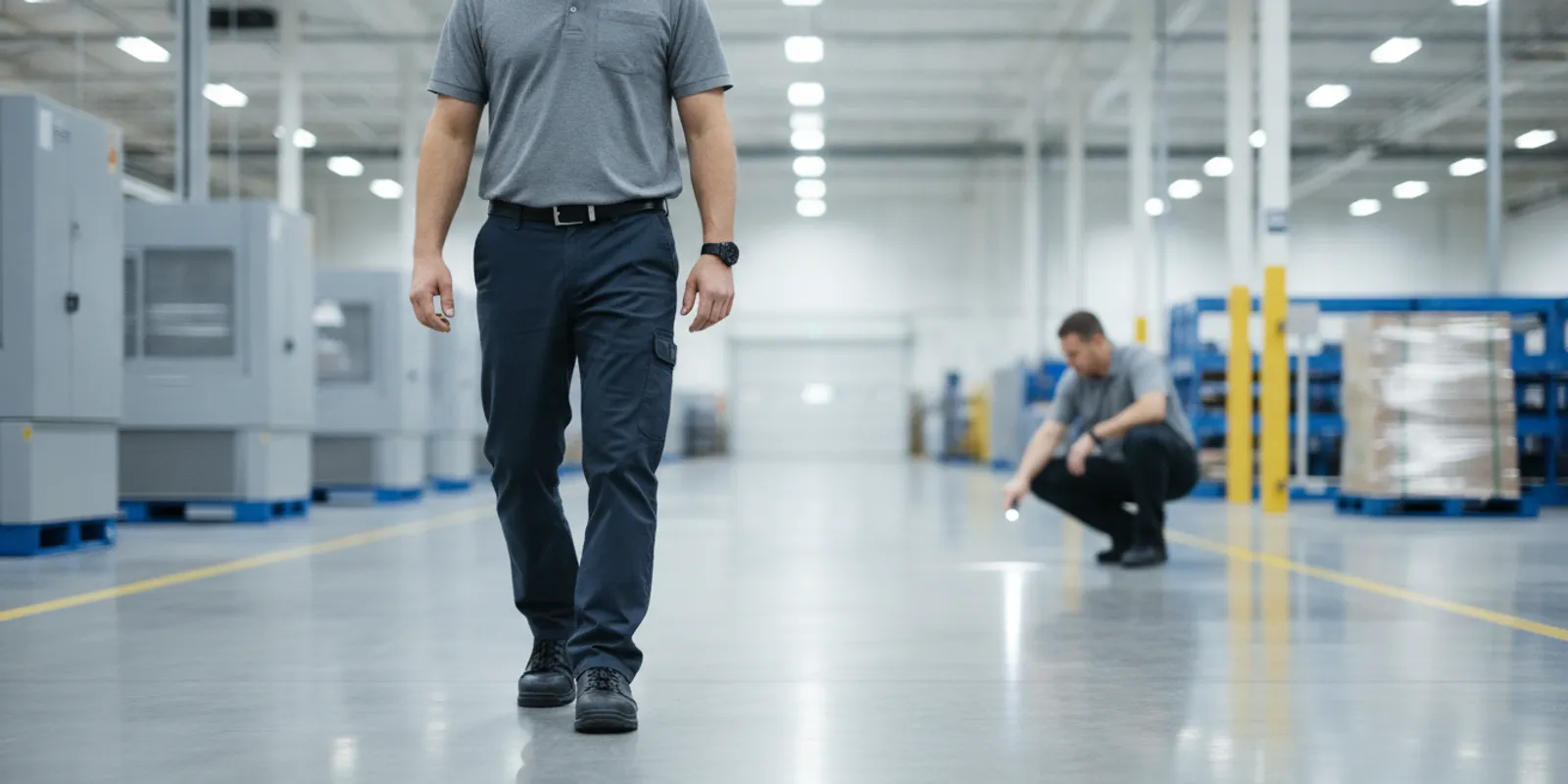
Knowing how to prevent slips trips and falls in the workplace starts with making hazards visible, fixing them promptly, and giving workers a clear way to report problems. A wet entry, loose floor covering, blocked aisle, or poorly lit stairway can turn an ordinary task into an injury. Small daily habits, backed by consistent workplace procedures, can lower risk for employees and visitors.
Talk with Hammack Law Firm about an injury
What makes a workplace more likely to have a fall?
A fall often has more than one contributing factor. Water tracked inside may go unnoticed because an entrance mat is missing. A worker may carry a box that blocks their view while walking through an aisle with a loose cord. A stairwell may have a burned-out light and a handrail that is hard to grip. Looking at the whole route and task can reveal hazards that a quick glance at the floor misses.
Slips happen when a person loses traction on a surface. Spills, rainwater, grease, dust, polished floors, and unsuitable footwear can all affect footing. Trips happen when a foot catches on an object or change in level, such as a cable, damaged tile, uneven threshold, open drawer, or cluttered walkway. Falls may follow either event or occur on stairs, ladders, loading areas, and platforms.
The U.S. Occupational Safety and Health Administration (OSHA) advises employers to consider footwear and to show new employees areas that may create slip, trip, and fall hazards in its workplace slips, trips, and falls handout. That is a useful reminder: prevention depends on both the condition of a place and the way people move through it.
How can good housekeeping reduce fall hazards?
Keep walking routes clear as part of routine work, rather than waiting for a scheduled cleanup. Supplies, boxes, tools, waste, and personal items belong in designated storage areas, not in aisles or beside doors. Keep stairways, exits, access to safety equipment, and paths between workstations free of obstruction. Route cords away from foot traffic where possible; secure or cover cords that must cross a walking route using a suitable method.
Clean spills as soon as it is safe to do so. If a spill cannot be cleaned immediately, block access or use a visible warning while arranging cleanup. A sign alone does not remove the hazard. For a spill involving a substance that requires special handling, follow the site’s applicable procedures and use the right protective equipment rather than improvising.
Set clear ownership for recurring tasks. For example, a shift checklist can identify who checks entrances, restrooms, break areas, and common aisles. Establish a routine for removing scrap and packaging from work areas. Do not leave drawers, cabinet doors, or equipment panels open where someone could walk into or trip over them. Make sure temporary storage does not narrow a route or hide a change in floor level.
Housekeeping is not only a janitorial responsibility. Each worker can put away tools after use, remove minor obstructions when safe, and report conditions that need repair or specialized cleanup. Supervisors can reinforce the routine by checking the same locations at shift changes and after deliveries, maintenance, or severe weather.
| Hazard type | Common workplace example | Practical response |
|---|---|---|
| Slip hazard | Water, grease, or cleaning residue on a walking surface | Protect the area, clean using the site procedure, and confirm the floor is safe before reopening it. |
| Trip hazard | A cable, open drawer, loose mat, or clutter in an aisle | Remove or secure the obstruction, keep the route clear, and report defects that require repair. |
| Change in level | Raised threshold, damaged tile, or uneven stair tread | Mark or isolate the area, arrange repair, and provide a safe alternate route while work is pending. |
| Visibility hazard | Dim stairwell, blocked sightline, or load obscuring the path | Restore lighting or sightlines and adjust the task, load, or route so the walking surface can be seen. |
How should employers maintain floors and walking surfaces?
Inspect floors for conditions that can catch a shoe or reduce traction: loose mats, curled edges, cracked tile, broken concrete, raised thresholds, worn stair treads, and changes in level. Repair damage or clearly isolate the affected area until repair is completed. A temporary patch should not create another raised edge or slippery surface.
Choose floor finishes and cleaning methods that suit the work being done. Follow product directions, avoid leaving residue, and allow a cleaned area to dry before reopening it when needed. Place absorbent mats at entrances where rain or tracked-in moisture is likely, and check that mats lie flat and do not slide. Replace saturated or damaged mats instead of leaving them in service.
Use a simple inspection routine: walk through the work area at the start of a shift, after a change in weather, and after work that may affect floors. Look at transitions between surfaces, stairs, ramps, loading areas, and routes to restrooms or break spaces. Record recurring defects and assign a person to arrange repair. If a concern cannot be fixed at once, restrict access and tell workers what route to use instead.
For hazards on a customer-facing property, the relevant concerns may include the condition of an entrance, aisle, stairway, or walkway. Hammack Law Firm’s page about premises liability in Greenville discusses injury issues involving property conditions. The practical prevention point remains the same: inspect the area, correct unsafe conditions, and communicate clearly while work is pending.
A prevention plan works best when it turns observations into assigned action. Employers can keep a short list of recurring hazards, identify who is responsible for inspection and repair, and confirm that each correction was completed. For example, if rain repeatedly pools at an entrance, the response may require more than mopping: check drainage, mat placement, door seals, and how often the area is inspected. If a cable repeatedly crosses a work route, consider whether the equipment can be repositioned or the cable routed overhead or along a protected edge.
Include workers in the review. They often know which routes become crowded during deliveries, where a floor stays damp after cleaning, or when a task requires carrying items that obscure vision. Ask for concrete observations and follow up after changes are made. A practical safety plan should fit the work instead of depending on reminders that people cannot act on.
For a fall involving a walkway or other property condition, the firm’s page on Greenville slip-and-fall injuries offers related information. Fall hazards can also differ by setting; workers planning tasks on a building site may find the firm’s guidance on preventing a construction-site fall relevant to that distinct environment.
Why do lighting and visibility matter?
Workers need enough light to see floor changes, spills, obstructions, stair edges, and signs. Check bulbs and fixtures during routine inspections, including in stairwells, storage areas, corridors, restrooms, and outdoor paths used after dark. Replace failed lighting promptly. If repairs will take time, provide safe temporary lighting or close off the affected route and direct people another way.
Keep sightlines clear. Do not stack supplies where they block a view around a corner or at a doorway. A worker carrying a large load should be able to see the walking path; divide the load, use a cart, or ask for help when it blocks vision or affects balance. Mark changes in level and edges in a way that remains visible under the conditions in that area.
Lighting should be checked from the user’s point of view, not only from the switch or fixture. Walk the route during the time it is normally used. Shadows, glare, and contrast can make a well-lit room difficult to navigate. Ask workers to report dark spots or lighting that makes a floor hazard hard to see.
What footwear practices can help prevent falls?
Footwear should suit the surface and tasks workers encounter. Consider traction, fit, stability, and whether the shoe is appropriate for exposure to water, oils, or other substances in the work area. A shoe that works on a dry office floor may not be appropriate for a wet production or food-preparation area. Follow workplace requirements and manufacturer guidance for specialized footwear.
Employers can explain footwear expectations during onboarding and remind workers when conditions change. Inspect shoes for worn soles, damage, or loose parts that may affect footing. Workers should report footwear concerns and avoid assuming that a tread pattern alone guarantees grip. Wet or contaminated soles can still slip, and no shoe replaces floor maintenance or careful walking.
Where employees move between different areas, explain whether a change of footwear or cleaning is needed. Make the policy practical: identify the hazards it addresses, how workers can obtain or maintain required footwear, and whom to ask when a particular task does not fit the usual rule.
How can training and safe routines help?
Training should show workers the hazards they are likely to encounter, not rely only on a general warning to “be careful.” Include examples from the actual worksite: a wet entrance after rain, a delivery left near an aisle, a hose or cable across a route, or a stairway used while carrying materials. Explain which hazards workers can correct safely and which must be reported or handled by a designated person.
Review safe walking practices. Encourage workers to use handrails on stairs, avoid running, keep their attention on the route, and avoid carrying loads that block their view. Use carts or team assistance for bulky items. Keep one hand available for a handrail when practical, and do not use a phone while navigating a hazard-prone area.
Training works better when workers can raise concerns without fear of blame. Supervisors should respond to reports, explain what action was taken, and share lessons from recurring hazards. Refresh the discussion after a layout change, new equipment, a near miss, or a change in tasks. For additional practical workplace advice, the UK Health and Safety Executive’s leaflet on preventing slips and trips at work describes measures employers may need to implement and information useful to employees.
How should workers report and correct hazards?
Make reporting simple. Tell workers whom to contact, how to report an urgent hazard, and where to record a condition that needs later repair. A useful report identifies the location, what was observed, when it was noticed, and whether anyone is at immediate risk. Workers should not attempt repairs or cleanup that they are not equipped or authorized to perform.
Prioritize hazards according to immediate risk. A spill in a busy walkway may need the area blocked and cleaned at once. A loose stair nosing may require closing the stairway until repaired. Assign responsibility and a target time for follow-up, then check that the hazard was actually removed. If a temporary barrier or warning is used, inspect it until the permanent correction is complete.
Keep a record of reports, inspections, repairs, and near misses. Patterns may point to a recurring source, such as a leaking machine, a doorway that collects rainwater, or a route crowded by deliveries. Reviewing those records can help employers address the cause rather than repeatedly respond to the same condition. A prevention system should also invite workers to note when a control is not working as intended.
Environmental health and safety guidance from Cornell University similarly highlights keeping pathways clear and removing tripping hazards such as cords and loose rugs in its slips, trips, and falls resource. The basic idea is straightforward: keep the route usable, and act when it is not.
How can teams address stairs, entrances, and outdoor routes?
Stairs need regular attention because a missed edge or loose tread can cause a serious fall. Keep stairways free of stored materials, make sure handrails are secure, and check that steps are even, dry, and adequately lit. Repair damaged nosings and mark temporary changes clearly. Workers should use the handrail and avoid carrying loads that prevent them from seeing the steps or holding on safely.
Entrances can become slippery when rain, mud, or snow is tracked indoors. Place and maintain mats where people enter, check floors during wet weather, and remove water promptly. Outdoor routes also need attention: inspect for uneven pavement, loose gravel, leaves, standing water, and poor lighting. Where a route cannot be made safe immediately, block it and direct people to an accessible alternative.
Plan for changes in work activity as well as the building itself. Deliveries may temporarily narrow a corridor, cleaning can leave a floor damp, and maintenance may expose cords or open floor panels. Before the area returns to regular use, check that tools and materials are removed, covers are secure, and the walking path is clear. Communicate any temporary route change to workers who may not have seen the original warning.
What should you do if a fall happens despite prevention?
First, get appropriate medical attention. Do not delay care because an injury seems minor at the scene; symptoms may become clearer later. If immediate danger remains, alert a supervisor or emergency responders as appropriate. Avoid moving someone who may have a serious injury unless remaining in place presents a greater immediate danger.
Report the incident promptly under the workplace’s procedures. Ask that the report include when and where it happened, what the person was doing, the surface or condition involved, witnesses, and any immediate response. Be factual and avoid guessing about a cause that has not been established. Keep a copy of any report or note how to request it later.
If it is safe and permitted, preserve useful details. Note the exact location, lighting, weather or floor condition, footwear, and any warning or barrier present. Photographs can help show the scene before it changes; do not put yourself or another person at risk to take them. Write down names and contact information for witnesses, and keep relevant messages, work schedules, and medical records. Tell the employer if a condition needs to remain undisturbed for documentation.
Workers injured while doing their jobs may have questions about the proper claim process and available benefits. Hammack Law Firm provides information about workers’ compensation in Greenville; a worker can also review its article on what it may mean to have a work injury without suing an employer. A fall on another party’s property may raise different questions about responsibility for that location. The facts and applicable process matter, so do not assume that every workplace fall follows the same route.
For questions about a possible injury claim, Hammack Law Firm can be reached through its contact page. The firm represents people in personal injury matters, including premises liability and slip-and-fall claims. An initial conversation can help identify what information may be relevant to the situation.
Contact Hammack Law Firm to discuss an injury
Frequently Asked Questions
What is the first thing to address when a spill is found?
Protect people from entering the affected area, then arrange safe cleanup using the workplace procedure and appropriate supplies. If cleanup cannot happen immediately, keep the area blocked and use a visible warning until the surface is safe. Remove the warning only after checking the floor.
How often should a workplace be checked for fall hazards?
Use routine checks at the start of shifts and after events that can change conditions, such as rain, deliveries, cleaning, maintenance, or a layout change. High-traffic or frequently wet areas may need checks more often. The schedule should match the hazards and how the space is used.
Does slip-resistant footwear eliminate the risk of a fall?
No. Appropriate footwear may support traction, but it cannot make a contaminated or damaged floor safe. Workers and employers still need to maintain surfaces, clean spills, keep routes clear, and use safe work practices.
What information should I include in a workplace fall report?
Include the date and time, precise location, what happened, the condition observed, witnesses, and any immediate response or treatment. Keep the account factual. If you can do so safely, preserve photographs and relevant records before the scene changes.
Reach out to Hammack Law Firm about your next steps
Consistent inspections, clear walkways, prompt repairs, suitable footwear, and open reporting give workers and employers practical ways to reduce fall hazards every day.


