

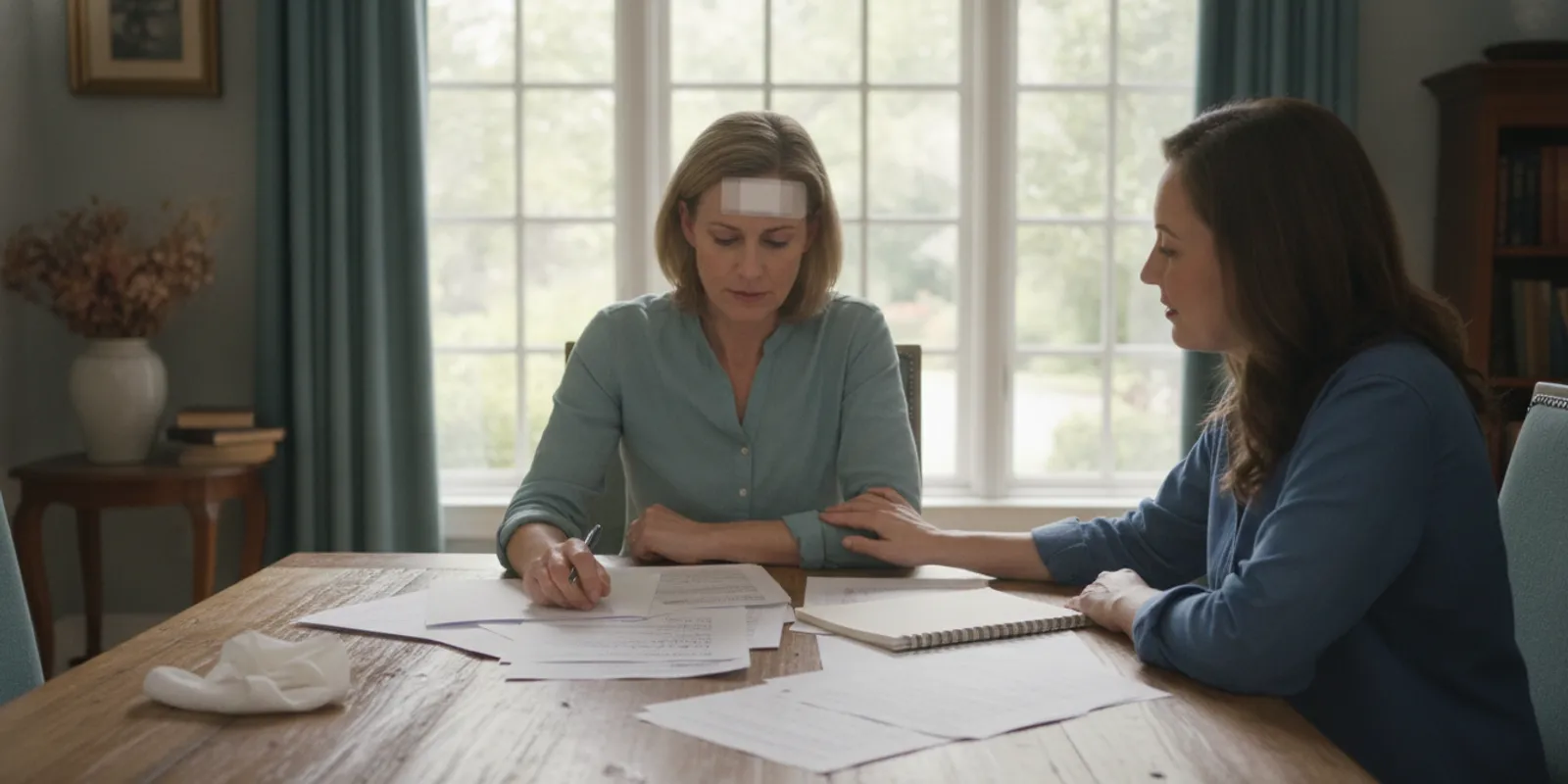
Can you sue for brain injury after a crash, fall, workplace incident, or another event? In South Carolina, a claim may be possible when another person or organization acted negligently and that conduct caused an injury and related losses. A diagnosis alone does not answer every legal question, so the circumstances, medical evidence, and timing all matter.
Talk with Hammack Law Firm about your situation
When may a brain injury lead to a claim?
A brain injury claim is generally based on the same central questions as other personal injury claims: Did someone owe a duty to use reasonable care? Did that person or organization fail to do so? Did the failure cause the injury? Did the injured person experience losses as a result? The answers depend on evidence and the specific facts. An accident or injury, by itself, does not establish that another party is legally responsible.
Potential situations can include a motor vehicle collision, a fall on property that was not reasonably maintained, an incident involving a commercial truck, or an injury caused by another careless act. In each situation, the details matter. A fall, for example, may call for evidence about the condition of the property, how long it was present, and what the responsible party knew or should have known. In a crash, the sequence of events, road conditions, witness accounts, and available vehicle or scene evidence may be relevant.
Brain injuries can have symptoms that are not immediately obvious. A person may feel confused, have a headache, or notice problems with concentration or memory after an incident. Only a qualified health care professional can evaluate symptoms and make medical assessments. If there is concern about a possible head or brain injury, getting appropriate medical care is important for health and creates a record of what was reported and evaluated.
When describing symptoms, use your own words and be as specific as you can. Note when a problem started, how often it occurs, and whether it changes a regular task or activity. Do not exaggerate or minimize what you experience. If symptoms change, report that to the clinician providing care. A clear, consistent history can help a provider assess the situation; it does not by itself establish who caused an injury or resolve a legal claim.
Hammack Law Firm handles personal injury matters, including brain injury claims in Greenville. Reading about a practice area cannot determine whether a particular claim is viable; that takes a review of the incident, available records, and applicable law.
What must be connected to prove a claim?
One central issue is causation: whether the incident being described caused or contributed to the brain injury and the losses claimed. A person can have symptoms after an accident, but the timing alone may not settle what caused them. Medical history, examination findings, treatment notes, and the account of how symptoms developed can help health professionals assess the injury. Legal decision-makers may also consider other evidence about the event and its effects.
It is useful to keep the questions separate. First, what happened? Second, was another party’s lack of reasonable care involved? Third, what injury or change in health followed? Fourth, what expenses or other losses are connected to that injury? Evidence that helps answer one question may not answer the others. For instance, a police report can describe a collision but may not establish the nature or cause of a brain injury.
Some brain injuries are described as traumatic brain injuries, or TBIs. A research article available through the National Library of Medicine discusses the relationship between traumatic brain injury and litigation; it does not determine whether any particular injured person has a valid claim. Read the research article on lawsuits and traumatic brain injury.
What kinds of evidence may help?
Evidence will vary with the incident and the injury. A practical first step is to preserve what already exists and make a clear record of what happened, without guessing at facts or altering documents. Relevant information may include:
- Medical records, discharge instructions, referrals, prescriptions, and bills.
- Notes about when symptoms began and how they changed, including dates and the effect on ordinary activities.
- Photographs or video of the scene, visible hazards, vehicle damage, or injuries, when safely and lawfully available.
- Names and contact information for witnesses, along with any messages or incident reports.
- Work records that show missed time, changed duties, or other employment effects.
- Receipts and records for expenses connected to care, transportation, or assistance.
Try to preserve original files and note when and where photographs or records came from. If a business, property owner, or another party may have video or incident records, those materials may not remain available indefinitely. Do not put yourself at risk to gather evidence, enter property without permission, or delay medical care while collecting information.
Keep a simple file, digital or paper, for incident-related documents. Save emails and letters in their original form, and write down the date and name of anyone who discusses the incident with you. If you receive medical records or bills, retain the complete documents rather than only a summary. It can help to make a list of providers and treatment dates, so you can identify missing records later. Do not edit photographs or messages; if you make notes about an image, keep those notes separate from the original file.
For a car crash, the steps to take after a car accident can help organize immediate practical tasks. If a police report is involved, this guide explains how to get a South Carolina crash report. Those records can be useful pieces of a larger picture, but no single document necessarily answers whether a brain injury claim can be brought.
How does the type of incident affect the investigation?
The underlying event affects which people, records, and legal issues need review. The table below is a starting point, not a checklist that proves liability. Some incidents involve more than one potentially responsible party, and some involve overlapping insurance or benefit systems.
| Incident | Evidence that may be relevant | Questions to investigate |
|---|---|---|
| Car or motorcycle crash | Crash report, scene photographs, witness details, vehicle information, and medical records | How did the collision occur? What evidence bears on fault and the timing of symptoms? |
| Commercial truck crash | Crash and vehicle records, available company or driver records, witness accounts, and medical documentation | Which people or entities may have contributed, and what records should be preserved? |
| Fall on property | Photographs of the condition, incident reports, witness information, and medical records | What caused the fall? Who controlled the area, and what did they know about the condition? |
| Workplace incident | Employer incident records, work-related communications, medical records, and details about any outside party | Do workers’ compensation rules apply, and could a party other than the employer have a separate role? |
| Another negligent act | Records specific to the event, witness information, communications, and treatment records | What conduct is alleged, and how can it be connected to the injury and losses? |
In a truck collision, the investigation may involve questions beyond the conduct of the driver. Hammack Law Firm’s truck accident information describes the firm’s work in that area. A separate resource discusses when multiple parties may be considered in a truck accident case. Which parties, if any, may be responsible depends on the evidence; a list of possible parties is not a conclusion about a specific crash.
What if the injury happened at work?
A work-related brain injury may raise questions that differ from a typical car-crash or premises claim. Workers’ compensation may be relevant to an injury that arises in the course of work, but the details matter. In some situations, another person or business outside the employer-employee relationship may have contributed to the event. A separate claim against an outside party may require its own investigation and proof. Do not assume that filing a workplace report resolves every potential issue.
Keep copies of reports, communications about the incident, medical instructions, and records of time missed or duties changed. Follow applicable workplace reporting procedures where possible, and seek medical care as needed. If a vehicle crash occurred while working, the issues may involve both the work connection and the crash circumstances. This resource explains some considerations for an auto accident while working. The right path depends on the facts and the benefit or claim rules that apply.
What losses may be part of a brain injury claim?
Depending on the facts and the law that applies, a claim may seek compensation for documented losses connected to the injury. Examples can include medical expenses, future care needs supported by appropriate evidence, income lost during recovery, or changes in the ability to work. A person may also describe pain, disruption to daily routines, and effects on relationships or activities. Whether any category is legally recoverable, and its value, cannot be determined from a general article.
Keep invoices, benefit statements, wage information, and appointment records. It may also help to write down specific changes noticed in daily life: difficulty following a conversation, needing help with a task, missing an activity, or having to change a work routine. Be factual and date entries when possible. A record should reflect what happened rather than attempt to diagnose the cause or predict how long symptoms will last.
Separate expenses already paid from bills that remain due, and note whether an amount was adjusted or paid by another source. If time away from work is part of the claimed loss, preserve pay records and any employer documentation about missed time or changed duties. A possible future care need is different from an expense already incurred and may require supporting information from appropriate providers. These records help organize the facts; they do not guarantee that a loss will be recoverable or establish a particular case value.
Before accepting a settlement, it is important to understand what claims and losses the proposed agreement addresses and what rights may be released. A settlement discussion is not a guarantee of recovery. The Brain Injury Association of America offers a discussion of questions about accepting a traumatic brain injury settlement. A person’s options depend on the agreement, evidence, and circumstances, so legal advice should be specific to the matter.
How do South Carolina deadlines affect a claim?
There are deadlines for bringing legal claims, but the applicable period can depend on the type of claim, the parties involved, and other facts. Special rules may apply in some situations, and it may take time to identify the right parties and collect records. For those reasons, do not rely on a general statement online or assume that a deadline is the same for every brain injury case.
It is sensible to seek legal guidance promptly after the immediate medical needs are addressed. A review can identify which deadlines need to be checked, whether notice requirements may apply, and what evidence needs preserving. If the injury involves a public body, a work incident, a minor, or a death, additional rules may affect the analysis. The details should be confirmed for the specific situation.
Hammack Law Firm also provides general information on the South Carolina deadline for a car accident claim. That page concerns car accident claims; it should not be treated as a complete deadline guide for every kind of brain injury case.
What should you consider before speaking with an insurer?
An insurer may ask for information about how an incident happened, symptoms, treatment, or work. It is reasonable to be accurate and avoid speculation. If you do not know an answer, say so rather than filling in gaps. Keep copies of communications and documents you provide. Do not sign a release or accept a settlement without understanding what it covers, particularly when medical evaluation or treatment is ongoing.
There is no single script that fits every claim. The appropriate response depends on whose insurer is contacting you, what is being requested, and whether the request concerns a recorded statement, medical records, or settlement. If you have questions about a request, consider obtaining advice before responding. A guide to speaking with an insurance company after an accident outlines issues to think through.
When should you contact a lawyer?
You may want to speak with a personal injury lawyer if you are unsure how the incident caused the injury, fault is disputed, symptoms or treatment continue, an insurer asks you to resolve the claim, or multiple parties may be involved. A consultation can help identify what records matter and what legal questions require closer review. It does not mean a lawsuit must be filed, and it cannot guarantee a particular result.
When you speak with a lawyer, a concise timeline can make the conversation more useful. Include the date and location, what you remember about the event, when symptoms began, where you sought care, and any contact from an insurer or employer. Bring records you already have, but do not postpone the conversation while trying to assemble a perfect file. If Hammack Law Firm is contacted, the firm can review the information and discuss whether it may be able to assist.
A legal review may also clarify what is not yet known. For example, a person may remember the impact but not all of the events immediately before it; a witness may have seen only part of an incident; or important records may be held by someone else. Those gaps do not automatically answer whether a claim can proceed. They can point to follow-up questions, potentially relevant records, or issues that require more careful evaluation. Be candid about what you do not know, and avoid filling gaps with assumptions.
Request a consultation about a possible brain injury claim
Frequently Asked Questions
Can you sue if symptoms began hours or days after an accident?
Symptoms that appear later do not, on their own, answer whether a claim exists. Tell a health care professional when the symptoms began and what changed. The legal question will also involve the event, medical evidence, causation, and other facts. Do not delay necessary care while trying to decide what the symptoms mean.
Do I need a formal brain injury diagnosis before asking about a claim?
A medical evaluation is important for your health and can help document reported symptoms and findings. Whether a particular diagnosis is required for a particular claim depends on the facts and applicable law. A lawyer can discuss the legal process, but a medical professional should assess and diagnose an injury.
Can a brain injury claim involve more than one responsible party?
It can be appropriate to investigate the conduct of more than one person or organization, depending on how the incident occurred. In a truck crash, for example, records and responsibilities may need review beyond the immediate driver. Potential responsibility is fact-specific and should not be assumed before an investigation.
Can I bring a claim if the injury happened at work?
A work injury may involve workers’ compensation rules. If an outside party may have contributed, a separate personal injury claim may also need consideration. The relationship between any benefits and claims depends on the facts and the law. Keep workplace and medical records and ask for guidance tailored to the incident.
What if I do not know whether my symptoms are related to the accident?
Describe the symptoms and timing to a qualified health care professional and follow their advice. Do not try to diagnose yourself. For a legal review, share what you know about the incident and provide relevant records; causation may require careful evaluation.
Contact Hammack Law Firm about your situation
A conversation can help you understand what information may matter and what next step may make sense. Every claim depends on its own facts, and no outcome can be promised.

With over 25 years of legal experience, Paul Hammack provides his clients with a level of trial expertise and strategic insight rarely found in personal injury litigation. Having spent the first eight years of his career working within major insurance defense firms across Georgia and South Carolina, Paul gained an intimate understanding of the “other side’s” playbook. This insurance industry background serves as a unique differentiator for his clients; he knows exactly how insurance carriers evaluate risk and what motivates them to pay top dollar for a claim.
In 2008, Paul founded Hammack Law Firm to move away from the “plaintiff mill” model and focus on building personal relationships with those he represents. As a seasoned litigator, he has tried dozens of first-chair cases to verdict, specializing in high-stakes litigation involving catastrophic injuries and complex truck accidents. His dual-state practice allows him to provide aggressive representation across both South Carolina and Georgia, ensuring victims of negligence receive the maximum financial compensation possible regardless of which side of the state line the accident occurred.
Paul’s commitment to excellence is reflected in his record of significant achievements, including a $10 million tractor-trailer wrongful death settlement and a $3.9 million moped-versus-truck recovery. His credentials and bar admissions in both South Carolina and Georgia underscore his deep roots in the regional legal community. Beyond the courtroom, Paul is a dedicated advocate for his local community, contributing his time and resources to organizations such as the United Way, Red Cross, and Hands On Greenville, all while working to make South Carolina a safer place for everyone.


