Knowing what to do after a boating accident can help you protect people first and preserve useful information for later. On a South Carolina lake, river, or coastal waterway, the immediate priorities are safety, medical attention, required reporting, and a careful record of what happened. Do not put yourself or anyone else at risk to gather evidence.
Discuss your boating accident with Hammack Law Firm
What should you do first after a boating accident?
Stop the vessel if you can do so safely, check for people in the water, and provide reasonable assistance. Alert emergency services when someone is injured, missing, in immediate danger, or when the situation cannot be managed safely. Use flotation devices and follow directions from emergency responders. Do not move an injured person unless leaving them in place presents a greater danger, such as fire or a sinking vessel.
Once immediate danger is under control, work through the practical steps below. Do not treat the list as a reason to delay rescue, medical care, or official instructions.
- Account for everyone aboard each involved vessel, including passengers who may have been thrown into the water.
- Move people to a safe location. Move a vessel only if doing so will not create another hazard or interfere with responders.
- Call emergency services when the circumstances require immediate help, and give a precise location.
- Exchange identifying and contact information with other operators and witnesses when it is safe.
- Ask the responding authority about accident reporting duties and next steps.
- Seek medical assessment for injuries and symptoms, even when they initially seem minor.
Stay calm and factual. Avoid arguing about fault or speculating about the cause. Do not leave the scene without addressing safety and any applicable duty to provide information or assistance. If officials are present, follow their directions and note which agency responded.
When should you call for emergency help?
Call 911 or the relevant emergency service if there is a serious injury, a person overboard who cannot be located, a fire, a collision that leaves a vessel unsafe, or another immediate threat. Give your location as precisely as possible. A lake name alone may not be enough; share a nearby marina, boat ramp, landmark, GPS location, channel marker, or the direction from a recognizable shoreline point.
If your phone has no signal, use the vessel’s available emergency equipment or ask another nearby boater to contact responders. Tell the dispatcher how many people are involved, whether anyone is missing, the nature of visible hazards, and how responders can reach the site. Keep the line open for instructions when possible.
Do not attempt a rescue beyond your ability or equipment. Throw a flotation device when appropriate, keep the person in sight, and follow dispatcher instructions. If the boat is taking on water, prioritize getting people to safety and alerting responders rather than trying to save property. Once people are safe, keep them together if possible so responders can account for everyone.
Do you need to report a South Carolina boating accident?
Reporting rules depend on circumstances such as injury, death, disappearance, and property damage. The operator may have duties under state or federal rules, and an accident on navigable waters may involve a different reporting authority than an incident confined to inland waters. The precise threshold, form, responsible person, and deadline can depend on facts and applicable law. Do not assume that calling 911, speaking with a marina, or notifying an insurer automatically satisfies a formal accident-report requirement.
Ask the responding law-enforcement officer or the South Carolina Department of Natural Resources which agency should receive a report and what deadline and form apply. If the incident occurred on coastal or other navigable waters, ask whether a federal reporting requirement or another authority is also relevant. Write down the guidance you receive, including who provided it and when; confirm important instructions through the appropriate agency rather than relying on a casual conversation.
Record the name and identification number of any officer, the agency, and any report or incident number. Ask how to request a copy of the report and whether you should submit a separate operator statement. Keep a copy of every form, attachment, and delivery confirmation. If you later discover an injury or damage that was not apparent at the scene, ask the authority how to update the report; do not alter an earlier account without preserving the original.
Reporting processes differ by jurisdiction. The California Division of Boating and Waterways accident-reporting guidance describes a form process for California boaters; it does not state South Carolina requirements. Likewise, Texas Parks and Wildlife boating accident guidance identifies that state’s reporting channels, not rules for a South Carolina incident. Use South Carolina authorities to verify the requirements that apply to your event.
What medical steps should you take?
Get prompt medical care for any injury, including a head impact, difficulty breathing, cuts, burns, pain, dizziness, or possible water inhalation. Shock and the activity at the scene can make it difficult to notice symptoms. Some symptoms become clearer only after the immediate stress passes. When you speak with a clinician, explain how the incident happened, what part of your body struck an object, whether you were submerged, and whether you encountered fuel, heat, or another hazard.
Follow the care plan and keep discharge papers, test results, prescriptions, bills, and appointment records. Write down symptoms and how they change, including when they began and what makes them better or worse. If you delay care, note why and seek medical advice when symptoms develop or worsen. Photographs and an insurer conversation are not substitutes for medical assessment.
For example, a passenger may feel only soreness immediately after striking a seat, then develop a headache later. The useful response is to seek medical advice, describe the impact and timing accurately, and save the resulting records. Do not diagnose the cause yourself or dismiss symptoms because they were not obvious at the dock.
What information should you exchange and record?
Where safe and appropriate, gather details from each involved operator and witness. Make notes while memories are fresh, but do not interfere with emergency response or an official investigation. Keep the information organized in one dated document, and distinguish what you personally observed from what another person told you.
| Information group | What to note | Practical use |
|---|---|---|
| People and vessels | Names and contact details; vessel registration or identifying numbers; make, model, color, and owner information | Helps identify the people and watercraft involved and supports later follow-up |
| Scene and conditions | Date, approximate time, location, direction of travel, weather, visibility, water conditions, and nearby landmarks | Creates a contemporaneous description of the setting |
| Witnesses | Name, phone or email, where each person was, and what they said they observed | Allows follow-up while recollections remain available |
| Official response | Agency, officer identification, report number, instructions, and records request process | Helps locate the official record and check reporting steps |
| Injuries and property | Symptoms, medical visits, visible damage, repair estimates, and receipts | Documents effects and expenses without assuming responsibility |
When describing the sequence, use plain observations: “I was heading east near the ramp when the other boat crossed in front of us,” if that is what you recall. Avoid converting an estimate into a certainty. If you do not know the speed, distance, or exact time, say it is an estimate or that you do not know. Do not sign a statement you have not read or do not understand.
For local context, Hammack Law Firm has information about boating accident injuries in Seneca and boat accidents in Greenville. These pages do not replace instructions from emergency responders or the agency handling a particular incident.
How can photographs and other records help?
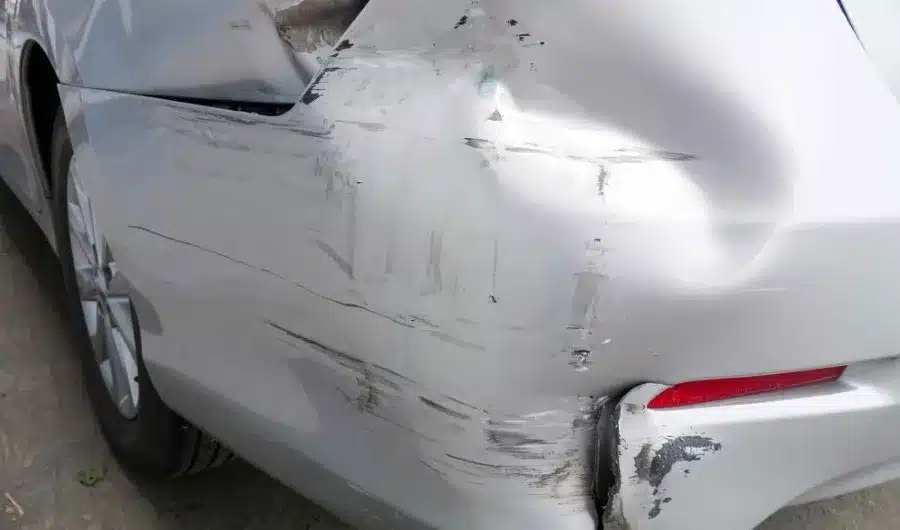
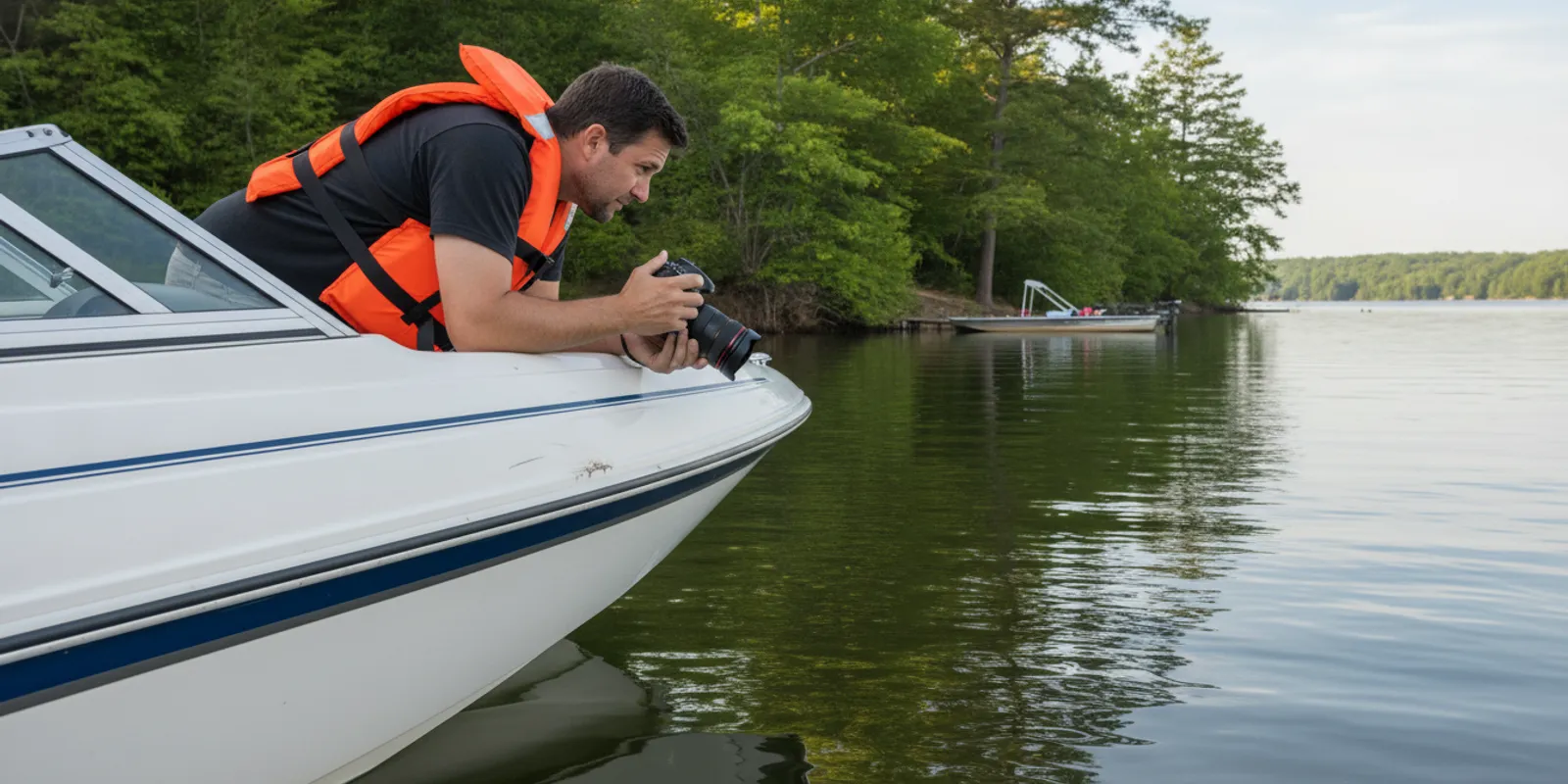
If it is safe and lawful, photograph the vessels, visible damage, safety equipment, debris, and surrounding location. Start with wide views that show the boats’ positions relative to the shoreline or dock, then take closer images of specific damage. Photograph identifying marks and registration details where appropriate. Capture weather and water conditions if they remain visible. Do not trespass, obstruct responders, climb onto an unstable vessel, or take risks around fuel or damaged equipment.
Preserve the original image and video files, including dates and metadata. Do not edit, crop, or overwrite the only copy. Make a separate backup and keep a simple note identifying who took each image, when, and where. If another passenger took photos, ask them to retain the original files and share copies without deleting the originals.
Save relevant texts, emails, trip records, receipts, marina or fuel records, and communications about the incident. A route or navigation record may help anchor a timeline, but avoid changing device settings or resetting the device before its data is secured. Record the device and application that held the information, and when you copied or exported it. Keep a folder with subfolders for medical records, official documents, photographs, and expenses so that records do not become scattered across messages and devices.
Write a short timeline as soon as you can: when you departed, who was aboard, where the incident happened, what you saw and heard, actions taken, and when authorities arrived. Keep facts separate from estimates or conclusions. If you later remember a detail, add a dated note rather than silently rewriting the original account. This makes it easier to understand what you recalled immediately and what you remembered later.
What should you say to an insurance company?
Notify your own insurer within the time required by the policy, and provide basic, accurate facts. Policies differ, so review the applicable terms instead of assuming one process works for every boat or claim. Keep a record of when you called, whom you spoke with, what you reported, and what documents you sent. Ask for instructions in writing when practical and note any requested inspection or deadline.
Be cautious about giving a recorded statement to another insurer, estimating the full extent of an injury, or signing a broad medical or property release before you understand its scope. You can ask for time to review a document and seek advice. Do not make false statements or conceal relevant information. A prompt notice of the event does not require you to guess about fault or answer questions beyond what you know.
A simple call log can help: date and time, company, representative, claim number, questions asked, information provided, and next requested step. If you send photos or bills, keep a copy of exactly what you sent. If the insurer asks for an inspection, ask what areas or items it wants to see and how to preserve the vessel until the inspection. Do not assume the insurer’s request replaces a government report or medical care.
How should you preserve evidence after the accident?
Preserve the vessel and damaged equipment in their post-incident condition when feasible. Before repairs, make a thorough photographic record and keep estimates, invoices, replaced parts, and inspection notes. If safety requires immediate repairs, document why they were needed, what was changed, and who performed the work. Keep damaged safety gear, clothing, and personal items until you know whether they may be relevant. Do not delay a necessary safety repair solely to preserve evidence.
Do not delete posts, messages, photos, or trip data. Avoid posting detailed theories about the event or discussing another person’s injuries online. Ask witnesses to preserve their own photographs and messages, and write down how to reach them. Do not pressure a witness to adopt your account; a neutral request to retain what they have is enough.
If an official agency, insurer, or another party requests an inspection, record the request and arrangements. Note who will attend, what will be examined, whether the vessel needs to remain accessible, and any instructions about repairs. If the boat must be moved or altered for safety, document its condition first when possible and record the reason for the change.
How can you build a clear incident file?
A well-organized file reduces the chance that important details are lost among receipts, photos, and messages. Create a dated incident summary and keep originals separate from working copies. A simple index can list each item, its date, who created it, and where the original is stored. This need not be formal or complicated; consistent labels are more useful than elaborate software.
- Official records: reports, officer contact details, agency correspondence, and request confirmations.
- Medical records: visit summaries, instructions, prescriptions, bills, and notes about follow-up.
- Scene materials: original photographs, videos, diagrams, and witness contact information.
- Vessel records: registration details, maintenance records, repair estimates, invoices, and replaced parts.
- Communications: insurer letters, emails, text messages, claim numbers, and a call log.
Use descriptive file names such as “2026-10-23-dock-damage-original” rather than “IMG_001.” Keep a backup in a separate secure location. When sharing documents, retain the version sent and the date it was shared. If you discover an error in a note, add a dated correction rather than deleting the earlier version.
When may legal guidance be useful?
A boating incident can involve multiple operators, passengers, vessel owners, insurers, and agencies. Legal guidance may help you understand what information to preserve and how to respond when responsibility or the extent of an injury is disputed. It may be useful to ask questions promptly if someone suffered a serious injury, a person died or disappeared, or a formal claim or lawsuit may be involved. Duties and deadlines depend on the facts and applicable law; this article is general information, not legal advice.
Hammack Law Firm handles personal injury matters, including boating accidents. You can learn about the firm’s personal injury practice, review its frequently asked questions, and see reported case results. A result in another matter does not predict the outcome of a new case.
Contact Hammack Law Firm to discuss your situation
Frequently Asked Questions
Should I report a boating accident if no one seems seriously hurt?
Do not decide based only on how injuries appear at the scene. Ask the appropriate South Carolina authority about reporting thresholds, forms, and deadlines, and document the incident. Symptoms or damage may become more apparent later, so seek advice about updating a report if relevant details change.
Should I move my boat after a collision?
Safety comes first. If leaving the vessel where it is creates danger, move people and the vessel to a safe place if you can do so without increasing risk. Otherwise follow directions from law enforcement or emergency responders and preserve the scene as practical.
What if I did not get a witness’s contact information?
Write down the person’s description, where they were, and any identifying details you remember. Check whether passengers, marina staff, or responding officials can identify them. Preserve any photos or messages that may help establish who was nearby, and do not claim certainty if your memory is incomplete.
Can I repair the boat before an insurer inspects it?
Address urgent safety problems, but photograph the damage first if possible and keep estimates, invoices, and replaced parts. Contact your insurer promptly to ask about inspection requirements before non-urgent repairs. If a repair cannot wait, document its necessity and the work completed.
What if symptoms appear days later?
Seek medical advice and explain the boating incident and when symptoms began. Keep records of the visit and symptom changes, and notify the relevant insurer as required by your policy. Do not assume a delay means symptoms are unrelated or harmless.
After a boating accident, prioritize people, follow the reporting instructions that apply, and preserve clear records while details are fresh. If you have questions about an injury, Hammack Law Firm can discuss your situation.
Reach out to Hammack Law Firm about your boating accident