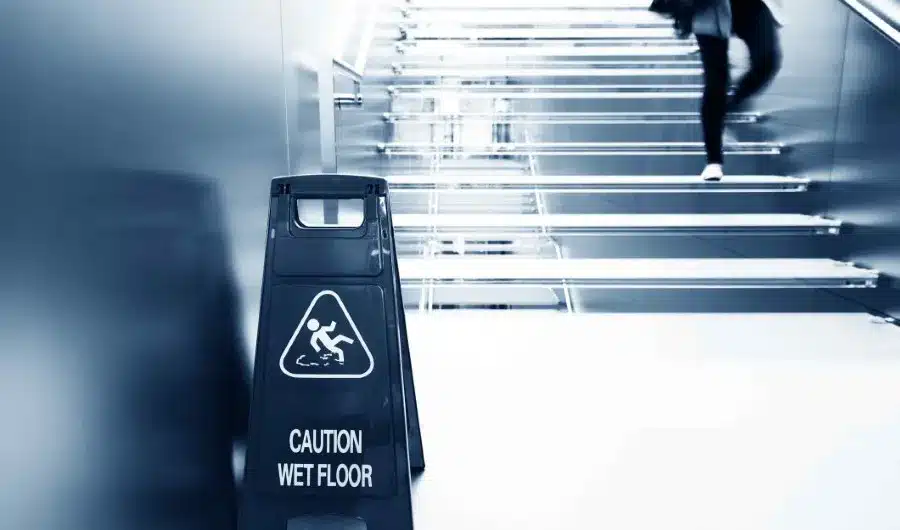
A weather conditions premises claim South Carolina case may arise when rain, ice, flooding, wind, poor visibility, or another weather-related condition contributes to an injury on property. Weather alone does not establish responsibility. The key questions usually involve what condition caused the incident, whether the property owner or occupier knew or should have known about it, what reasonable precautions were available, and whether the condition can be connected to the injury.
After a weather-related injury, prioritize safety and medical care, then preserve accurate information about the condition, timing, witnesses, warnings, inspections, and the property’s response. A fact-specific review can help determine whether the circumstances support a South Carolina premises claim.
South Carolina weather can change a scene quickly. Rain may stop, water may be cleaned, ice may melt, debris may be removed, and lighting may improve before the condition is documented. Prompt, careful steps can protect your health and preserve information without assuming that a claim will have a particular result.
Contact Hammack Law Firm about your weather-related injury
How a Weather Conditions Premises Claim South Carolina Case Is Evaluated
Premises liability analysis is fact-dependent. A property owner or occupier is not automatically responsible every time someone falls during or after a storm. The review may instead examine the relationship between the property, the hazard, the weather, and the injury.
- The condition: What caused the incident? It might have been standing water, tracked-in rain, ice, mud, wet leaves, wind-blown debris, a fallen branch, poor lighting, or an uneven surface hidden by weather.
- The timing: When did the weather begin, when did the hazard appear, and how long was the condition present before the injury?
- Notice: Did an owner, manager, employee, or other representative know about the condition, receive a report, see it, or have enough time and reason to discover it?
- Response: Were inspections, warnings, mats, cleanup, lighting changes, repairs, barriers, or temporary access changes used when appropriate?
- Causation: Can the condition be connected to the fall, collision, impact, or other injury rather than merely showing that bad weather occurred?
- Losses: What medical care, missed work, daily limitations, expenses, or other harm followed the incident?
These questions do not produce an automatic answer. A sudden downpour may present different facts from hours of rain followed by pooling water at a busy entrance. A branch that falls during an unexpected wind event may require a different review from debris that remained in a walkway after repeated warnings. The available evidence and the specific property context matter.
Hammack Law Firm’s South Carolina premises liability information provides related context. A weather-related claim may overlap with a slip-and-fall case, but the weather-specific timeline and response should still be examined rather than treating every incident as identical.
Which Weather-Related Hazards May Matter?
Weather may create a hazard, make an existing defect harder to see, or affect how a property should be inspected and maintained. The following examples are not conclusions about responsibility. They are starting points for identifying what happened.
Rain and tracked-in water
Rain can collect on sidewalks, ramps, stairs, parking areas, and entrances. Customers or visitors may track water into a building, where a smooth floor becomes slippery. A drainage problem may direct water toward a doorway, while an insufficient mat or missing warning can affect how the condition is managed. The relevant details can include the amount of water, visibility, foot traffic, the timing of inspections, and whether the area was cleaned or redirected.
Ice, freezing conditions, and standing water
Ice may form on steps, walkways, ramps, bridges, or parking areas when water freezes. Standing water can also change a person’s path or conceal an uneven surface. A temperature change, shade, drainage pattern, or recurring problem may help explain how the condition developed. Photographs and timestamps can be useful because the ice or water may no longer be present when the property is inspected later.
Wind, debris, and fallen objects
Strong wind may move branches, signs, temporary displays, landscaping material, or other objects into a route used by visitors. A fallen branch may block a walkway or create a tripping hazard. Wind can also damage lighting, fencing, or other property features. A review may consider whether the item was reasonably observable, whether someone reported it, and whether the property had an opportunity to address it.
Visibility and lighting
Rain, glare, mist, darkness, and covered transitions can make a surface harder to see. Wet leaves may conceal an uneven area, while poor lighting may make it difficult to identify water, ice, debris, or a change in elevation. Visibility does not by itself prove a property owner failed to use reasonable care. It can be one part of understanding whether the condition was observable and how a person encountered it.
For related guidance, see Hammack Law Firm’s information about preserving evidence after a South Carolina slip and fall. The same evidence principles may be useful when weather is part of the circumstances.
What Does Notice Mean in a Weather-Related Premises Case?
Notice generally concerns what the property owner or occupier knew, or what the owner or occupier reasonably should have discovered, before the injury. A property representative may have actual notice if someone saw the water, received a complaint, observed debris, or was told about a dangerous condition.
Constructive notice is more fact-specific. It may involve whether the condition existed long enough, or under circumstances clear enough, that a reasonable inspection could have discovered it. The duration of the weather, the location of the hazard, how often the area was used, inspection practices, and prior reports can all be relevant facts.
Weather can make the timing especially important. A sudden storm may create a condition that developed moments before an incident. By contrast, repeated rain, known drainage issues, standing water, or debris left in a heavily traveled route may raise different questions. Neither example decides a claim. They show why a reliable timeline is more useful than a simple statement that it was raining.
Reasonable precautions also depend on the property and conditions. They may include inspecting an entrance, placing a visible warning, adding or repositioning mats, cleaning water, improving lighting, blocking a dangerous route, addressing drainage, or removing debris. A warning does not automatically eliminate responsibility, and the absence of one does not automatically establish it. Placement, visibility, timing, and the continuing condition of the area may matter.
The weather may also affect how a person uses the property. A visitor may choose a covered route, step around a puddle, slow down on a ramp, or enter through a doorway that is different from the usual path. Those details can help explain the sequence of events. They should be recorded accurately without assuming that a person’s choice of route settles the legal analysis.
Property conditions can interact with weather in ways that are easy to miss. A drain may be blocked, a mat may curl at an edge, a light may be out, or an uneven surface may be hidden by water or leaves. An injury investigation can look at the whole setting rather than focusing only on the weather report. The goal is to understand what a person encountered and what the property representative could observe or address at the time.
Do not assume that an ordinary storm makes every resulting injury unavoidable. Do not assume that a storm makes every hazard the owner’s responsibility either. The relevant facts may include the severity and duration of the weather, the property’s design and use, prior reports, inspection practices, and the steps taken after notice. A clear, dated account helps keep those questions separate.
What Evidence Supports a Weather Conditions Premises Claim South Carolina Review?
Because weather-related conditions may disappear, preserve information as soon as it is safe. Do not put yourself or another person in danger to obtain evidence. A useful record may include:
- Scene photographs: Capture wide and close views of the surface, water, ice, leaves, debris, drains, stairs, handrails, entrances, lighting, warnings, and the route you were using. Keep the original files and note when they were taken.
- A written timeline: Record the date, approximate time, recent weather, when you arrived, what you saw, what changed, and when you reported the incident. Separate what you remember from what you are unsure about.
- Witness information: Save the names and contact information of people who saw the incident, noticed the condition, helped afterward, or observed the weather. Do not pressure anyone to change their account.
- Incident and maintenance records: Ask how to obtain an incident report and keep the name of the person who received your report. Information about inspections, cleanup, drainage, warnings, repairs, or prior complaints may help establish the sequence.
- Surveillance preservation: Note nearby cameras, entrances, checkout areas, parking systems, or other recording sources. Request that relevant footage be preserved promptly because retention periods may be limited.
- Clothing and footwear: Set aside the shoes and clothing worn during the incident. Do not wash, discard, repair, or alter them before considering whether they may document water, mud, ice, or another condition.
- Medical and loss records: Keep medical records, bills, prescriptions, work information, receipts, photographs of visible injuries, and notes about symptoms or daily limitations. Tell medical providers accurately how the injury occurred.
Evidence can support an evaluation, but no single photograph, report, or weather observation automatically proves fault. The condition, notice, response, causation, and losses should be considered together.
What Should You Do After a Weather-Related Injury?
First, move away from the hazard if you can do so safely and obtain appropriate medical care. Tell the provider about the fall, impact, twisting movement, or other event and describe your symptoms accurately. Follow discharge instructions and keep records of follow-up care.
Next, report the incident to the property owner, manager, business employee, or other responsible contact when appropriate. Ask whether a report was prepared and how to request a copy. Keep your own note of who received the report, when you made it, and what you said. Be truthful, but do not guess about facts you do not know or make an unsupported admission about fault.
If safe, document the area before it is changed. Take photographs from the approach you used, as well as closer views of the condition. Note rain, wind, flooding, ice, visibility, lighting, warnings, and any nearby drainage. Preserve messages, letters, claim numbers, and insurer communications. Do not sign a release or provide a recorded statement without understanding what is being requested.
For a broader checklist, review South Carolina slip-and-fall evidence guidance and the firm’s premises liability resource. These resources provide general information and do not replace advice about a specific injury.
Contact Hammack Law Firm to discuss the facts and available next steps
Frequently Asked Questions About a Weather Conditions Premises Claim South Carolina
Does bad weather automatically make a property owner responsible?
No. Weather alone does not establish negligence or liability. The review may consider whether a dangerous condition existed, whether the owner or occupier knew or should have known about it, whether reasonable precautions were available, and whether the condition caused the injury.
Can a claim involve rain that was tracked inside a building?
It may, depending on the facts. Relevant questions can include how long water was present, whether employees or visitors reported it, how busy the entrance was, whether inspections occurred, whether mats or warnings were used, and whether the water can be connected to the injury.
What if the condition disappeared before I could photograph it?
Other evidence may still help. Write down what you remember, identify witnesses, preserve clothing and footwear, request incident and surveillance preservation, and keep medical records. A missing photograph does not decide the issue, although prompt documentation can make the timeline clearer.
Is there a deadline for a South Carolina premises claim?
South Carolina civil claims are subject to limitation periods governed by applicable law, and the deadline may depend on the claim and circumstances. The official South Carolina limitation-of-actions statutes include provisions addressing civil actions, but a general article should not be used to calculate a deadline for a particular injury. Discuss timing promptly so potentially important evidence and legal deadlines can be evaluated.
Should I contact the property owner or an insurer after an injury?
Reporting an incident may help preserve a record, but communicate accurately and avoid guessing. Keep copies of messages and forms, and do not sign a release or give a recorded statement without understanding the request. A fact-specific review can help identify what information may matter.
Ready to Discuss What Happened?
A weather-related injury can raise questions about the surface, the property response, notice, medical care, and the evidence that remains. Hammack Law Firm can listen to what happened and explain what additional information may be useful. No outcome is guaranteed, and this article is general educational information rather than legal advice or a legal conclusion.
Contact Hammack Law Firm through the consultation page

With over 25 years of legal experience, Paul Hammack provides his clients with a level of trial expertise and strategic insight rarely found in personal injury litigation. Having spent the first eight years of his career working within major insurance defense firms across Georgia and South Carolina, Paul gained an intimate understanding of the “other side’s” playbook. This insurance industry background serves as a unique differentiator for his clients; he knows exactly how insurance carriers evaluate risk and what motivates them to pay top dollar for a claim.
In 2008, Paul founded Hammack Law Firm to move away from the “plaintiff mill” model and focus on building personal relationships with those he represents. As a seasoned litigator, he has tried dozens of first-chair cases to verdict, specializing in high-stakes litigation involving catastrophic injuries and complex truck accidents. His dual-state practice allows him to provide aggressive representation across both South Carolina and Georgia, ensuring victims of negligence receive the maximum financial compensation possible regardless of which side of the state line the accident occurred.
Paul’s commitment to excellence is reflected in his record of significant achievements, including a $10 million tractor-trailer wrongful death settlement and a $3.9 million moped-versus-truck recovery. His credentials and bar admissions in both South Carolina and Georgia underscore his deep roots in the regional legal community. Beyond the courtroom, Paul is a dedicated advocate for his local community, contributing his time and resources to organizations such as the United Way, Red Cross, and Hands On Greenville, all while working to make South Carolina a safer place for everyone.