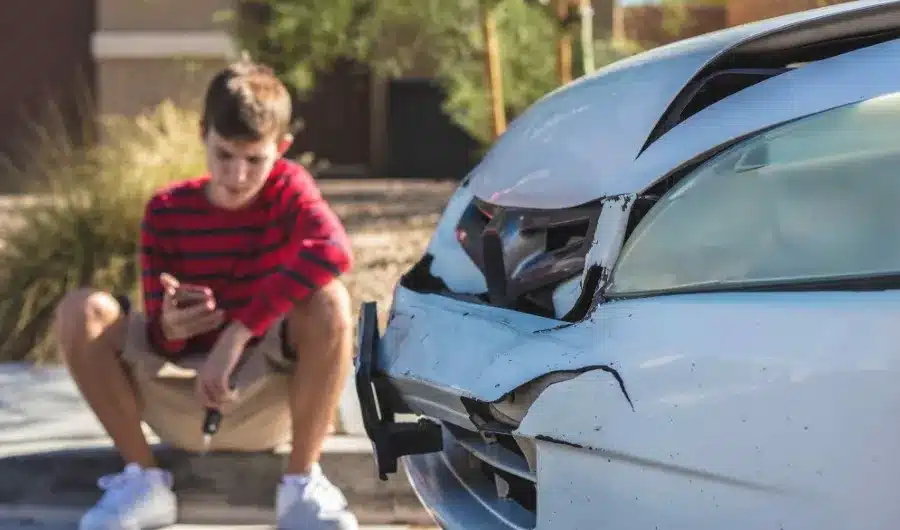
A road construction crash claim in South Carolina can involve more than the driver who struck another vehicle. Temporary lanes, shifted traffic patterns, missing or confusing warnings, construction equipment, poor lighting, and changing road conditions can all affect how a collision is investigated. The facts may point to another driver, a contractor, a subcontractor, a road owner, or more than one source of responsibility.
The work zone does not decide the claim by itself. A strong evaluation asks what each person or entity was supposed to do, what actually happened, and whether that conduct caused the injuries and losses. This guide explains the issues that may matter and the evidence to protect after a crash on or near a South Carolina construction project.
Contact Hammack Law Firm about your South Carolina road construction crash claim.
Why can road construction change a crash claim?
Highway construction changes the ordinary driving environment. A lane may narrow or shift. A shoulder may disappear. Barrels, cones, temporary pavement, barriers, trucks, flaggers, and portable signs may change where a driver can travel and what the driver can see. A work zone may also change between the time a project begins and the time of a collision.
Those conditions can create questions that do not arise in the same way on an unchanged road. For example:
- Was the temporary lane pattern reasonably clear to approaching drivers?
- Were signs, cones, barrels, barriers, and warning devices placed and maintained as required?
- Did a contractor or subcontractor leave equipment, materials, or debris in a dangerous location?
- Did a road owner or public entity have notice of a dangerous condition?
- Did another driver speed, follow too closely, change lanes unsafely, or ignore a warning?
- Did lighting, weather, pavement, visibility, or traffic volume contribute to the collision?
These are investigation questions, not automatic conclusions. A construction project may be relevant evidence, but a claimant generally still must connect a specific duty or negligent act to the crash and resulting harm.
Who may be involved in a South Carolina road construction crash claim?
The possible parties depend on who controlled the roadway, who performed the work, and what caused the collision. A claim may involve one or more of the following:
Another driver
The other motorist may have caused or contributed to the crash by speeding through a work zone, failing to follow a temporary traffic pattern, driving while distracted, or making an unsafe maneuver. A work zone does not excuse a driver from paying attention to the roadway and following applicable warnings.
A contractor or subcontractor
A contractor or subcontractor may become relevant when the evidence points to the setup, maintenance, or removal of temporary traffic control; unsafe placement of equipment; debris; excavation; pavement changes; or another construction-related condition. The contract, project plans, daily records, inspection records, and work-zone photographs may help show who had responsibility for a particular task.
A public road owner or government entity
If the crash occurred on a public road, a state agency, county, or municipality may need to be evaluated under special rules. The South Carolina Department of Transportation explains that its property-damage process considers whether the damage occurred on a state-maintained road, whether SCDOT knew about the condition, and whether it failed to correct the condition within a reasonable time. Its jurisdiction guidance also notes that incidents in an active construction zone may require review of another responsible office or person.
That does not mean every road-construction injury claim is against SCDOT, or that SCDOT is automatically responsible. The road owner, project owner, contractor, and other parties may have different duties. A lawyer should identify the correct parties before a deadline passes.
What evidence can help show what happened?
Work-zone evidence can disappear quickly. Barrels move, signs are removed, lanes reopen, pavement changes, and construction crews continue working. If you can do so safely, take photographs or video from a lawful location after obtaining medical care and following instructions from emergency personnel. Do not stand in a travel lane or enter a restricted work area to gather evidence.
Useful evidence may include:
- Photographs of the vehicles, roadway, lane markings, barriers, barrels, signs, lighting, and visibility.
- Video from a dash camera, nearby business, traffic camera, or vehicle in the area.
- The exact location, direction of travel, lane position, and temporary traffic pattern.
- Names and contact information for witnesses, flaggers, workers, and responding officers when available.
- The crash report, 911 records, incident photographs, and any citations issued.
- Medical records, bills, work-loss information, and notes describing how symptoms developed.
- Vehicle damage photographs, repair estimates, and information from event-data or onboard systems when available.
- Project plans, traffic-control plans, inspection records, maintenance logs, work orders, and incident reports.
- Weather, lighting, traffic, and road-condition information for the date and time of the collision.
A prompt preservation request may be important when a contractor, public entity, camera operator, or insurer possesses records that could be overwritten or discarded under a routine retention policy. Keep original files when possible, including the date and time information. Avoid editing photographs in a way that removes useful metadata.
How do signs, lane shifts, and work-zone conditions affect fault?
A temporary traffic pattern can affect whether a driver, contractor, or road owner acted reasonably. The analysis may include the distance between a warning sign and the changed lane, whether the sign was visible, whether a barrier or barrel had been moved, whether the pavement marking conflicted with a temporary marking, and whether the traffic-control setup matched the approved plan.
For instance, a lane shift that is clearly marked in daylight may create a different question at night if the signs were blocked, the lighting was inadequate, or the road surface made the markings difficult to see. Similarly, a driver who ignores an obvious warning may face a different allocation of fault from a driver who encounters a confusing or unexpectedly changed pattern. Each conclusion depends on the scene, records, witness accounts, and other evidence.
The South Carolina Department of Transportation publishes work-zone traffic-control manuals, procedures, and guidelines. Those materials may help identify the type of traffic-control practice used on a project, but a publication alone does not establish liability in a particular crash. The project documents and facts still must be examined.
What if a government entity or SCDOT is involved?
Claims involving a governmental entity require special care. The South Carolina Tort Claims Act generally addresses when the State and its political subdivisions may be liable and when immunity applies. Section 15-78-60 includes an exception addressing the absence, condition, or malfunction of signs, signals, warning devices, illumination devices, guardrails, and median barriers. That provision includes notice and reasonable-time language and also distinguishes special conditions such as public-way construction from an ordinary failure to place a warning.
In other words, the statute is not a simple rule that every missing sign creates liability or that every construction-zone crash is barred. The exact condition, the entity’s role, notice, the duty involved, and the relationship between the condition and the crash all matter. The Act also contains claim-filing and timing provisions that should be reviewed promptly. Section 15-78-80(d) states that a verified claim must be received within one year after the loss was or should have been discovered. Section 15-78-110 addresses the time for commencing an action and contains different language when a claim is first filed.
SCDOT’s separate damage-claim instructions state that an individual has one year from the date of occurrence to file a property-damage claim. That page is not a substitute for legal advice about a bodily injury claim, a claim against a contractor, or a claim involving another public entity. Do not assume that one deadline applies to every possible defendant or every kind of loss.
How can comparative fault affect the recovery?
South Carolina law allows fault to be evaluated among the claimant and other parties when the evidence supports more than one cause. A driver may be accused of entering a closed lane, while a contractor may be accused of creating a confusing or unsafe traffic pattern. The factfinder may need to consider both allegations rather than treating the crash as the responsibility of only one person.
The South Carolina law on apportionment among tortfeasors addresses percentages of fault and liability in cases involving more than one tortfeasor. A claimant’s own conduct can also affect the amount that may be recovered. Evidence about speed, attention, lane position, lighting, warnings, and reaction time may therefore matter to both causation and the allocation of fault.
Do not make statements to an insurer that guess about fault or minimize symptoms before the evidence is developed. Give accurate information, preserve records, and ask for legal guidance when the work-zone setup or responsibility is disputed.
What should you do after a crash in a construction zone?
- Get medical care. Call 911 when appropriate and follow medical instructions. Some crash injuries become clearer over time.
- Report the collision. Request the crash report and note the agency that responded.
- Record the scene safely. Photograph the roadway and temporary traffic controls only from a safe location. Ask a witness or passenger to help when appropriate.
- Preserve communications. Save insurer messages, claim numbers, medical instructions, repair records, and correspondence from a contractor or government office.
- Do not repair or discard evidence prematurely. Ask about photographing and preserving damaged parts, vehicle data, and relevant electronic files.
- Identify deadlines early. A public-entity claim, private negligence claim, injury claim, and property-damage claim may not share the same procedure or deadline.
- Get a focused case review. Bring the crash report, photographs, medical records, insurance information, witness details, and any information about the construction project.
For a general comparison with other collisions, you can also review Hammack Law Firm’s South Carolina multi-vehicle accident guide. A roadway construction case may require additional work-zone and public-entity analysis beyond an ordinary collision investigation. The firm’s Greenville car accident page provides a related practice-area resource. If a commercial truck or work vehicle was involved, the firm’s truck accident resource may also be relevant, depending on the facts and location.
Request a consultation with Hammack Law Firm before important crash-claim evidence is lost.
Frequently asked questions about South Carolina road construction crash claims
Who is responsible for a crash in a South Carolina construction zone?
Responsibility may involve another driver, a contractor, a subcontractor, a road owner, a government entity, or multiple parties. It depends on who controlled the condition, what duty applied, whether that duty was breached, and whether the conduct caused the injury and losses.
Can I bring a claim if a missing sign or confusing lane shift contributed to the crash?
Possibly, but a missing sign or confusing lane shift does not automatically prove liability. The investigation may need to address the approved traffic-control plan, visibility, notice, maintenance, the entity or contractor responsible, the driver’s conduct, and the connection between the condition and the collision.
Does the South Carolina Tort Claims Act apply to every road-construction crash?
No. The Act may be relevant when a State agency or political subdivision is a potential defendant, but private contractors and other drivers may involve different legal rules. The Act also contains exceptions and timing provisions that require a fact-specific review.
How long do I have to file a road construction crash claim in South Carolina?
The answer depends on the type of claim and the parties involved. The South Carolina Tort Claims Act includes a one-year verified-claim provision and separate action-timing language, while private injury and property-damage claims may follow different rules. Seek a prompt review instead of relying on a general deadline from an online article.
What if I may have contributed to the crash?
Tell the truth about what happened and preserve the available evidence. South Carolina law can apportion fault, and the claimant’s conduct may affect recovery. A lawyer can evaluate the work-zone evidence and the driver’s conduct together rather than relying on an early insurance conclusion.
This article provides general educational information, not legal advice. Road construction crash claims depend on the evidence, the parties, the location, the injuries, and current South Carolina law. A prompt review is important when a governmental entity, contractor, or changing work-zone condition may be involved.
Contact Hammack Law Firm to discuss your South Carolina crash claim.

With over 25 years of legal experience, Paul Hammack provides his clients with a level of trial expertise and strategic insight rarely found in personal injury litigation. Having spent the first eight years of his career working within major insurance defense firms across Georgia and South Carolina, Paul gained an intimate understanding of the “other side’s” playbook. This insurance industry background serves as a unique differentiator for his clients; he knows exactly how insurance carriers evaluate risk and what motivates them to pay top dollar for a claim.
In 2008, Paul founded Hammack Law Firm to move away from the “plaintiff mill” model and focus on building personal relationships with those he represents. As a seasoned litigator, he has tried dozens of first-chair cases to verdict, specializing in high-stakes litigation involving catastrophic injuries and complex truck accidents. His dual-state practice allows him to provide aggressive representation across both South Carolina and Georgia, ensuring victims of negligence receive the maximum financial compensation possible regardless of which side of the state line the accident occurred.
Paul’s commitment to excellence is reflected in his record of significant achievements, including a $10 million tractor-trailer wrongful death settlement and a $3.9 million moped-versus-truck recovery. His credentials and bar admissions in both South Carolina and Georgia underscore his deep roots in the regional legal community. Beyond the courtroom, Paul is a dedicated advocate for his local community, contributing his time and resources to organizations such as the United Way, Red Cross, and Hands On Greenville, all while working to make South Carolina a safer place for everyone.