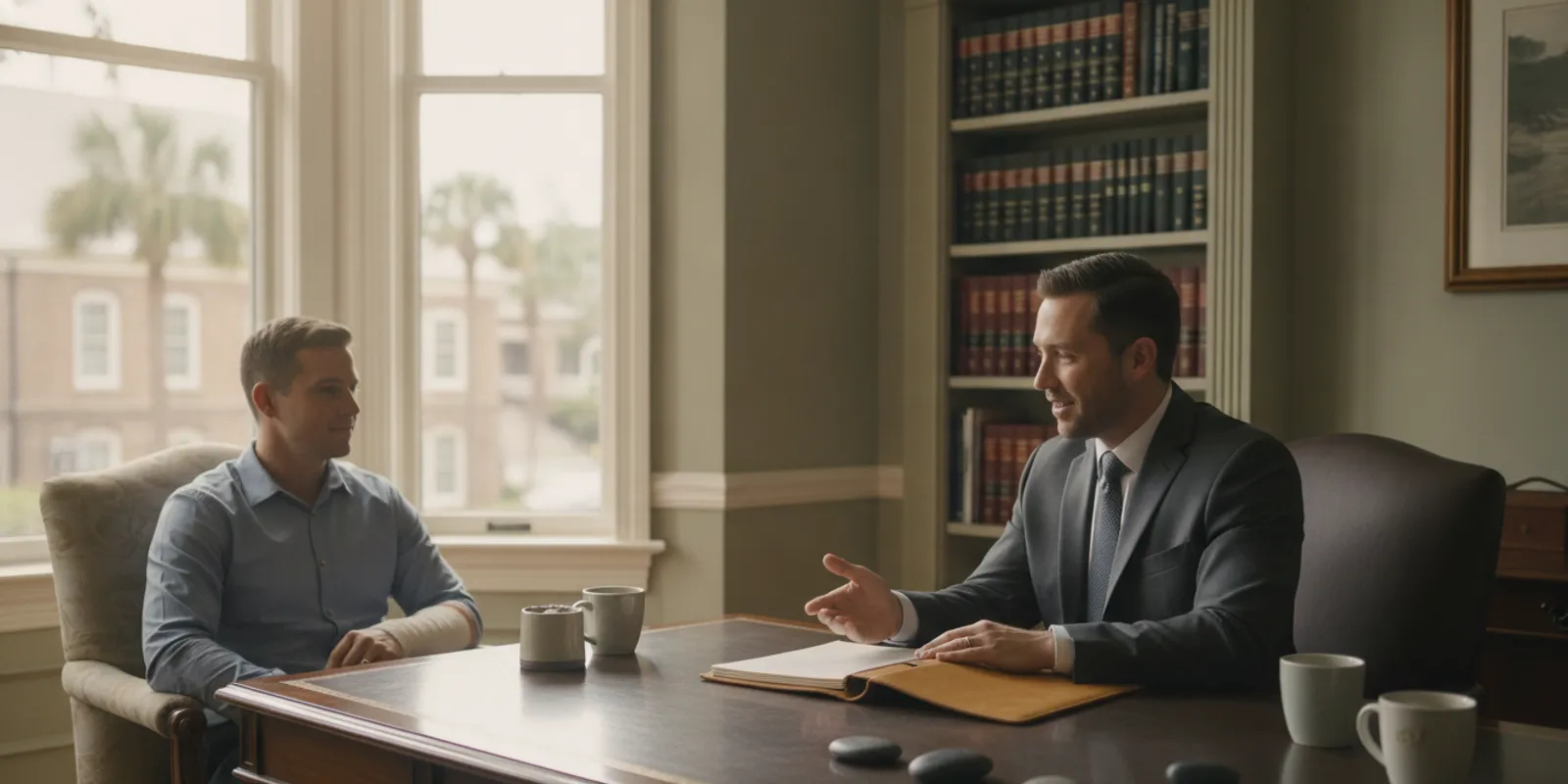
If you are wondering how to find an attorney by specialty after an injury, start by identifying the legal issue and the kind of help you need. A focused search can help you compare relevant experience, confirm the lawyer can handle a South Carolina matter, and ask practical questions before making a decision.
What kind of injury claim do you have?
Begin with the event and the harm, not a lawyer’s title. A vehicle collision, a fall on someone else’s property, a dog bite, and suspected neglect in a care facility can raise different factual and legal questions. Even within one category, the circumstances matter: a passenger’s car-crash claim may differ from a commercial truck collision involving company records, driver logs, and several potentially responsible parties.
Write down a short description of what happened, where it occurred, when it happened, and what injury or treatment followed. You do not need to decide the legal label on your own. The aim is to describe the problem clearly enough to find lawyers who regularly handle that type of matter.
For example, someone hurt in a collision with a tractor-trailer can look for counsel whose practice includes truck crashes, rather than relying only on a broad personal injury label. A person hurt in a store fall can ask whether the lawyer handles premises liability cases and investigates the condition that caused the fall. Hammack Law Firm’s truck accident practice page and slip and fall information illustrate two distinct claim areas.
How can you verify a lawyer’s focus?
Review the lawyer’s website and public materials for specific descriptions of the type of cases handled. Look for explanations of the investigation, evidence, and issues that commonly arise in that field. A page that merely lists many practice areas may not tell you how closely a lawyer’s work matches your question. Ask directly how the lawyer approaches cases like yours and who would handle day-to-day communication.
Do not treat a label or a past result as a guarantee about your own claim. Each case turns on its facts, available evidence, applicable law, and other circumstances. Published results can show the kinds of matters a firm has handled, but do not predict an outcome. You can review Hammack Law Firm’s case results information as one part of your research, then ask questions about how your particular situation would be evaluated.
When evaluating a practice-area page, check whether it discusses the factors relevant to your situation rather than only broad promises. For a truck crash, the investigation might require understanding commercial vehicle records and multiple parties. For a fall, the questions may concern the place, the condition, and how the injury occurred. The point is not to conduct the investigation yourself. It is to see whether the lawyer can explain what questions may matter and what information could help answer them.
Ask who would evaluate the matter and who would communicate with you if the firm accepts it. A firm’s public profile may include several people, but your working relationship depends on who is responsible for the file and how decisions are discussed. If the lawyer has handled cases in the same general area but not circumstances like yours, ask how that difference affects the evaluation and whether additional help or a referral might be needed.
Does the lawyer handle matters in the right jurisdiction?
Confirm that the lawyer is authorized to practice where the claim will be handled and familiar with the relevant state process. The location of the incident, the parties, and the potential court can matter. If an incident happened near a state border, do not assume that proximity alone resolves which law or court applies. Explain the location and ask whether the lawyer can assess the jurisdictional questions or will refer you elsewhere.
South Carolina readers can also check whether the firm serves the relevant community. Hammack Law Firm is based in Greenville and serves injury matters in South Carolina; its Anderson page and Spartanburg page provide examples of local information. A location page is a starting point, not a substitute for confirming that the firm can take your specific matter.
In an initial conversation, give the precise place where the event happened, including the city and state if known. If an injury occurred during travel or involved a company based elsewhere, mention that too. Ask the lawyer to explain what jurisdiction questions remain open and whether they can advise on them. Do not assume that the closest office necessarily has authority or experience for every case.
Also ask about timing without assuming a general deadline applies to your situation. Different facts and legal issues can affect the time available to act. Tell the lawyer when the incident happened, whether you have received legal papers or insurance communications, and whether any deadline has been mentioned. An inquiry does not itself pause a deadline, so avoid delaying a professional conversation while waiting to gather every document.
What should you compare before choosing?
Use the same questions with each lawyer you contact. That makes it easier to compare the answers rather than relying on general impressions. The table below can serve as a simple checklist.
| Topic | What to ask | What to clarify |
|---|---|---|
| Claim focus | Do you handle cases involving this type of injury or incident? | Whether the lawyer has relevant experience with the factual issues you described. |
| Jurisdiction | Can you handle a claim arising in this location? | Who will assess state, court, or deadline questions. |
| Communication | Who will be my main contact, and how are updates provided? | Expected response channels and how to share documents or questions. |
| Fees and costs | How are fees calculated, and what case costs may arise? | Written terms, responsibility for expenses, and what happens under different outcomes. |
| Case fit | What information do you need to evaluate the matter? | Whether the lawyer can take the case and what the next step would be. |
After each conversation, record what you learned in the same format. For instance, note whether the lawyer described relevant case issues, what documents they requested, and what you still need clarified. Keep the record factual. A confident-sounding answer is not necessarily more useful than a careful explanation that identifies what is not yet known.
How should you compare communication and personal fit?
Clear communication matters throughout a legal matter. During an initial conversation, notice whether the lawyer listens carefully, explains unfamiliar terms in plain language, and answers the question you actually asked. Ask who will contact you about developments and how often you should expect updates. Also ask how urgent questions are handled.
Fit is personal. You may want to speak directly with the lawyer who would evaluate or handle the claim. Ask who makes important decisions, how you will be involved, and how the firm will explain options as the matter develops. You should understand what is being proposed before you sign an agreement.
Do not feel pressured to decide based on a slogan, a promised result, or a rushed conversation. It is reasonable to take time to read written terms, ask follow-up questions, and consider whether the approach makes sense for you.
You can make the communication question concrete. Ask whether updates usually come by phone, email, or another channel, and what kind of developments will prompt a call. If you prefer written updates or need help understanding documents, say so during the conversation. Ask how to send sensitive records and whether you should keep copies of everything you provide.
Consider whether the conversation leaves you with a clear picture of next steps, not just a general impression. You should know what the lawyer needs from you, whether the firm is still evaluating the matter, and when you should expect to hear back. If you have an immediate question about a deadline or legal notice, say so at the outset so it is not lost among routine details.
What should you ask about fees and costs?
Ask for a clear explanation of the fee arrangement before retaining anyone. Request the terms in writing and read them carefully. Clarify how the fee is calculated, which expenses may be advanced or charged, how costs are treated if there is no recovery, and whether other obligations such as liens may affect the amount ultimately received. Do not rely on assumptions based on what another lawyer told you; arrangements can differ.
Ask for an opportunity to review the agreement away from the conversation. If a term is unclear, request an explanation in ordinary language. You can also ask what services are included, who will handle work on the file, and how you can obtain a copy of documents.
When comparing written agreements, look at the complete arrangement rather than a single percentage or phrase. Ask whether expenses are treated separately from fees, when those expenses are paid, and how the calculation is made if a recovery occurs. Ask whether costs could remain your responsibility in a particular outcome. These are questions for the lawyer to answer based on the proposed agreement; do not assume all firms use identical terms.
Before signing, make sure you know what work the agreement covers and whether it addresses related claims or appeals. Confirm how you can end the relationship, how the file will be transferred if that happens, and how any fees or costs are addressed. You do not need to interpret legal language alone; ask the lawyer to explain each provision that affects your obligations.
What information can help in an initial conversation?
You do not need a complete file to make an inquiry, but organized information can make the discussion more useful. Consider gathering:
- The date and location of the incident, plus a brief timeline.
- Names and contact information for people or organizations involved, if known.
- Photos, video, incident reports, insurance letters, or messages related to the event.
- Medical provider names and a general account of treatment received or planned.
- Questions about missed work, property damage, or other effects of the injury.
- Any deadlines, forms, or communications you have received.
Share accurate information, including facts that may seem unfavorable. Avoid altering or deleting records, and do not post detailed accounts publicly before getting advice about your situation. A lawyer can explain what additional material may be relevant.
A simple timeline can make a short call easier. List the incident date, when symptoms or treatment began, who you contacted, and any significant follow-up. Mark uncertain details as uncertain instead of filling gaps from memory. If you do not have a document in hand, say that you may be able to request it rather than treating it as unavailable.
Keep originals where possible and make a separate copy for sharing. Preserve messages, photographs, letters, and digital files in their original form; do not edit images or delete communications because they seem unimportant. If you have a formal notice, lawsuit paper, or request from an insurer, identify its date and any stated response time. A lawyer can tell you what to provide and how to send it securely.
For a family member seeking guidance for an injured person, prepare the person’s permission and availability for the conversation where appropriate. Explain your relationship and distinguish what you personally observed from what someone else told you. Clear sourcing helps the lawyer understand which details are firsthand and which need confirmation.
How can you make a short list without relying on rankings?
Start with the specific claim type and location. Then review several lawyers’ descriptions of their work, check whether they handle matters in the appropriate jurisdiction, and compare answers to the same questions about communication and fees. You might ask a trusted person for a referral, consult a relevant professional directory, or contact a firm through its published channel. Treat online reviews and advertising as information to consider, not proof that a particular lawyer is right for your circumstances.
It can help to keep a simple comparison note with the lawyer’s name, claim focus, answers, fee information, and any follow-up needed. If you speak with more than one lawyer, tell each whether you have already signed an agreement or have a deadline approaching. Never assume that an inquiry pauses a legal deadline.
Think about what information a referral actually provides. A person you trust may be able to describe how communication felt, but their case may have involved different facts, timing, or legal questions. Treat that experience as a prompt for questions, not as a substitute for your own discussion with the lawyer. The same is true of online reviews: they may describe one person’s experience, but cannot establish whether the lawyer’s practice fits your particular claim.
When searching online, use a specific phrase that reflects the incident and the location, then verify the details you find on the lawyer’s own materials. Check that contact information is current and that the practice description is relevant. If a directory entry is unclear or outdated, ask directly rather than relying on it. Be cautious about sharing sensitive medical or identity information through an unfamiliar form before confirming who receives it.
How can you prepare to compare lawyers efficiently?
Before making calls, decide what you need to learn from each conversation. You might want to know whether the lawyer handles your incident type, whether the location is within the lawyer’s practice, what evidence could matter, and how the fee agreement works. Keeping the same short list of questions for each discussion helps you notice differences in the explanations without turning the decision into a score based only on advertising.
Separate confirmed facts from assumptions. For instance, write down the date and location as you know them, then mark details you are unsure about. Do not guess at speeds, distances, medical diagnoses, or who was legally responsible. Tell the lawyer what you remember and identify what needs checking. This can help prevent an early estimate based on incomplete information from being mistaken for a final conclusion.
It can also help to organize records by type. Keep photographs together, put letters and emails in date order, and note which medical documents you have requested but not received. Preserve original files when possible. If several people witnessed an event, record their names and contact details without coaching them or asking them to agree on an account. A lawyer can explain what is useful and how to provide it securely.
After each conversation, write down the answers while they are fresh. Note who would handle the file, what additional information was requested, whether the lawyer identified a potential conflict or limitation, and what follow-up was promised. If you do not understand a legal term, ask for it to be explained. A clear answer should help you understand the process, even if the lawyer cannot yet predict how a claim will resolve.
A practical comparison does not need a numerical score. You can mark each topic as clear, needs follow-up, or not applicable, then revisit the unresolved items. For example, one lawyer may explain the claim type and jurisdiction clearly but need records before discussing next steps. Another may provide a fee agreement that needs review. The purpose is to identify what you understand and what remains uncertain, not to reduce a serious decision to a ranking.
When should you contact a lawyer?
If you were injured and have questions about responsibility, insurance communications, or next steps, consider seeking legal guidance promptly. Deadlines can depend on the specific facts and law, and delay may affect available evidence. Do not wait for every record to arrive before asking what deadlines may apply. If a lawyer cannot help with your type of case, ask whether they can suggest an appropriate next step.
South Carolina lawyers are governed by professional conduct rules. You can review the South Carolina Secretary of State’s online filing information while researching, but it concerns filing processes for that office and does not verify an attorney’s license. For questions about licensing, contact the appropriate state authority directly.
Hammack Law Firm handles personal injury matters, including motor vehicle and truck accidents, premises liability, nursing home negligence, dog bites, and wrongful death. Learn more about the firm through its frequently asked questions or contact page.
Frequently Asked Questions
Should I look for a lawyer who handles only one type of injury case?
Not necessarily. The useful question is whether the lawyer’s work and knowledge fit the issues in your matter. Some lawyers handle several related areas. Ask about experience with the type of incident and injury involved, and how the lawyer would investigate the facts.
Does a lawyer’s past result tell me what my case is worth?
No. A past result involved different facts and does not predict the outcome or value of another claim. Ask how the lawyer would evaluate your injuries, evidence, losses, and legal issues instead of relying on a headline figure.
What if I am not sure what kind of claim I have?
Describe what happened, where it occurred, and how you were injured. A lawyer can ask follow-up questions and explain whether the matter fits the work they handle or whether another type of resource may be appropriate.
Can I compare fee agreements before hiring someone?
You can ask each lawyer for a written explanation and take time to review it. Compare how fees and expenses are addressed, what services are covered, and what happens under different outcomes. Ask for clarification before signing if any term is unclear.
Choosing counsel is an important decision, and a careful conversation can help you understand whether the lawyer’s focus and approach fit your needs.