

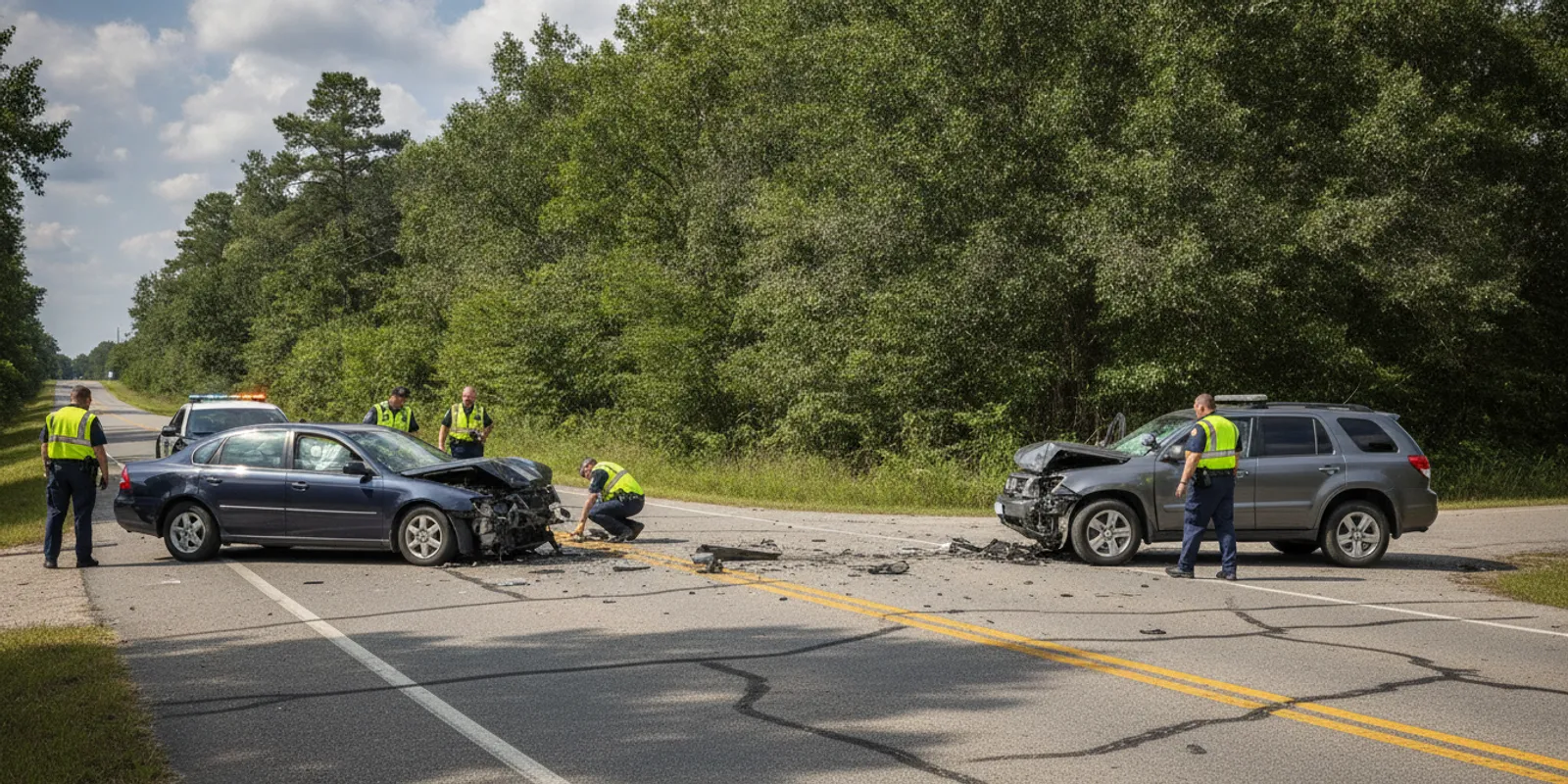
If you are searching for the average settlement for head on collision, you may be trying to understand what a serious crash could mean for your health, finances, and next steps. There is no reliable one-size-fits-all figure. The outcome of an individual claim depends on the injuries, how the collision happened, who may be responsible, what insurance applies, and the evidence that connects the crash to the losses. This guide explains what can make a head-on collision claim different and what information may help clarify it.
Contact the firm to discuss your situation.
Why is there no average settlement that fits every head-on collision?
Averages can hide the facts that matter. Two crashes described as head-on collisions may involve very different speeds, impact angles, vehicles, occupants, injuries, and insurance coverage. One person may recover after a short period of treatment. Another may need extended care, miss work, or face lasting physical limitations. A number drawn from unrelated cases cannot reliably predict either person’s result.
A claim is assessed from its own evidence. That includes what caused the impact, whether another person or entity may be legally responsible, what injuries were diagnosed, what care was needed, how the injuries affected daily life, and what losses can be documented. The amount available may also depend on applicable policies and the facts of the claim. Even a similar crash description does not make two claims equivalent.
For that reason, a careful evaluation should not start with a promised figure. It should start with questions: What happened? What can be verified? What has changed for the injured person? What additional information is needed? The firm’s Greenville car accident page describes its work with motor vehicle injury claims.
What makes a head-on collision investigation different?
In a head-on crash, vehicles traveling toward one another make contact at their front ends, or one vehicle crosses into the path of another. The impact can produce substantial vehicle damage, but damage alone does not establish the speed, fault, or severity of an injury. Investigators may need to understand the vehicles’ positions before and after impact, the point of contact, road layout, visibility, and any events that led a vehicle to leave its lane.
Potential evidence can include photographs, witness accounts, vehicle inspections, roadway measurements, event data when available, and records from emergency responders. A reconstruction specialist may be useful in some cases to assess physical evidence and test possible explanations. Whether such an analysis is appropriate depends on the circumstances, the available evidence, and the issues in dispute. No single photograph or measurement necessarily tells the whole story.
Important evidence can change or disappear. Vehicles may be repaired or salvaged. Skid marks and debris may be cleared. Nearby video may be overwritten. If you are able, take photographs from a safe location and note possible witnesses, but do not put yourself in danger or delay medical care to gather evidence. A legal representative can help assess what records may need to be requested or preserved.
What does a reconstruction review look at?
A reconstruction is not simply a calculation based on the size of a dent. A reviewer may document the final rest positions of the vehicles, identify the areas of contact, examine photographs and measurements, and compare those details with witness accounts. If available and properly obtained, vehicle data may help establish a limited set of facts about the moments around impact. The value of any such data depends on its quality, meaning, and context.
For example, a vehicle resting across a center line after impact does not, by itself, reveal which vehicle crossed the line first. The final positions may have changed because of the force of impact, post-crash movement, or emergency response. Investigators therefore compare several sources instead of treating one image as conclusive. If accounts conflict, they may test whether a proposed sequence fits the physical evidence and the roadway layout.
Readers can help preserve useful details by writing down what they remember separately from what they later learn from other people. Include approximate time, direction of travel, weather or lighting, and what was visible before impact, but mark uncertain details as uncertain. Do not try to recreate measurements in traffic or revisit a dangerous scene. These notes are a memory aid, not a substitute for a professional investigation.
Which roadway and vehicle details may matter?
The setting can help explain how a head-on collision occurred. Relevant questions may include whether the road curved, narrowed, or had a divider; whether a passing maneuver was involved; whether work-zone traffic control changed the normal travel path; and whether lighting, weather, or sight distance affected what a driver could see. These details are not conclusions about fault. They are leads to investigate against the available evidence.
Vehicle condition may also be relevant. Investigators may examine damage patterns, tire condition, steering or braking systems, and whether the vehicle had been subject to a safety recall. The National Highway Traffic Safety Administration provides vehicle safety and recall information through its official website. Checking a vehicle’s safety information may help identify a question to investigate; a recall record by itself does not prove that a defect caused a particular crash.
Other possible sources of information include the vehicles’ ownership and maintenance records, photographs taken soon after impact, and any available data from vehicle systems. Access to particular records depends on the circumstances and applicable procedures. Do not assume that data exists or that it will answer every question. A qualified investigation must consider the complete picture.
| Issue to examine | Examples of information | Why it may matter |
|---|---|---|
| Roadway and scene | Lane markings, curves, signs, lighting, debris, weather, and photographs | May help explain the vehicles’ paths and the conditions at the time |
| Vehicle damage and condition | Damage locations, inspection records, tires, brakes, and recall information | May help identify impact points or questions for further investigation |
| Injury and treatment | Medical evaluations, diagnoses, treatment notes, and follow-up plans | May connect the reported harm and care to the collision |
| Responsibility | Witness accounts, official records, photographs, and other physical evidence | May help assess competing explanations and the conduct of those involved |
| Financial and personal effects | Work records, bills, receipts, and a description of daily limitations | May document losses and changes associated with the injury |
How can injury severity affect a claim?
The medical picture is central, but it may take time to become clear. Some injuries are apparent at the scene. Others may be identified during a later examination. A person should follow medical guidance and seek follow-up care when symptoms change or continue. This is important for health and can also create a clearer record of what was reported, evaluated, and treated.
In evaluating a claim, relevant records may include the initial assessment, diagnostic findings, treatment recommendations, follow-up visits, and information about how the injury affects ordinary activities. A head injury, spinal injury, fracture, or other serious condition may involve different care and recovery needs. For readers dealing with a possible brain injury, the firm has information about brain injury claims in Greenville. That page is not a substitute for medical care or an evaluation of a particular collision.
It is also important to distinguish the injury from unrelated or pre-existing health conditions. A person may have had a prior condition and still suffer a new injury or worsening symptoms in a crash. Medical records and professional assessments can help clarify the timeline and what changed. Avoid guessing about medical cause or expected recovery; those questions belong with appropriate health professionals.
Serious injuries may affect more than treatment bills. They can interfere with work, household tasks, sleep, transportation, and family responsibilities. A useful record describes concrete effects over time. For example, note which tasks are harder, whether help is needed, and how often symptoms interrupt normal routines. Keep notes factual and avoid exaggeration. The goal is to preserve an accurate account, not to predict a legal outcome.
Some collisions cause catastrophic injuries or permanent limitations. The nature and duration of care, future needs, and effects on independence may require careful review. The firm provides further information about catastrophic injury matters in Greenville. A description of a practice area cannot determine whether a specific injury meets a legal standard or what compensation could be available.
How is responsibility assessed?
Vehicle position after impact can be informative, but it does not automatically establish who caused the collision. Investigators may consider statements, physical evidence, available video, roadway design, and the sequence of events. The other driver’s account may differ from yours. An official report can be useful, but it may not resolve every disputed issue or include every relevant fact.
More than one factor may have contributed. For example, the investigation might consider a driver’s actions alongside road conditions, visibility, vehicle condition, or work-zone arrangements. That does not mean each possible factor creates legal responsibility. The evidence and applicable law need to be assessed together. Do not assume that an early insurance decision is the final word on what happened.
If an insurer asks for a recorded statement or broad authorization, take time to understand what is being requested. You can ask what the request is for and consider getting legal advice before agreeing. Be truthful in communications, do not speculate about facts you do not know, and do not sign documents you do not understand. Keep copies of messages and paperwork.
What losses and records may be considered?
Depending on the facts and applicable law, a claim may involve documented medical expenses, income losses, and other effects of an injury. The categories and proof needed vary. A total assembled from a few bills alone may not show the complete picture, while a projected amount without supporting evidence may not be persuasive. Each claimed loss should have a clear explanation and available documentation.
Consider keeping a simple file with medical bills and explanations of benefits, receipts for injury-related expenses, work schedules or wage records, and correspondence from insurers. Save copies rather than relying on a single original. Keep a dated record of appointments and missed work. If you pay for transportation or other help because of an injury, note the date, amount, and reason. Do not discard documents because you expect an insurer or provider to have a copy.
For non-financial effects, a brief, regular account can be more useful than trying to recreate months of experience later. Record changes in mobility, concentration, sleep, or the ability to take part in usual activities, if those changes apply. Be accurate and keep the account private. It should reflect what you experienced rather than language designed to make a claim sound more serious.
When organizing records, a simple timeline can make the file easier to understand. List the collision date, medical visits, major treatment decisions, time away from work, and significant changes in daily activities. Pair each entry with the record that supports it, such as a visit summary, pay record, or receipt. If a document is missing, note that rather than trying to fill the gap from memory. This approach can help a reader or claim reviewer see where the information is complete and where follow-up may be needed.
A South Carolina Law Review discussion of an automobile-related survival action refers to damages such as pain and medical expenses, illustrating that legal claims turn on the particular context and losses at issue. Read the South Carolina Law Review discussion. It does not establish an average settlement or predict the outcome of a different collision claim.
The firm’s results page describes outcomes from other matters. Past outcomes are specific to their facts and do not predict or guarantee the result of a different claim. A settlement number from another case should not be treated as a personal estimate.
What practical steps can you take after a head-on crash?
- Get medical attention. Call emergency services when needed and follow up with a health professional. Do not wait for an insurance decision to address a health concern.
- Make the scene safe. Follow instructions from responders. Do not enter traffic or handle damaged vehicles to obtain photographs or records.
- Preserve what you can safely keep. Save photographs, contact details for witnesses, crash paperwork, and communications. Write down your recollection while it is fresh, separating what you saw from what someone else told you.
- Keep a treatment and expense file. Save bills, records, receipts, work information, and notes about changes in daily activities. Update the file as the situation develops.
- Use care when speaking with insurers. Provide accurate information, but do not guess at speed, distance, fault, or medical prognosis. Ask for time to review documents before signing.
- Get advice about the specific facts. A timely legal consultation can help identify unanswered questions, potential evidence, and issues that may affect a claim. Deadlines and legal rights depend on the circumstances, so avoid delaying a review.
When should you speak with a lawyer?
It may be worth asking for legal guidance when someone was injured, fault is disputed, injuries require ongoing care, an insurer is requesting statements or documents, or evidence may be lost. A conversation can help identify what information is missing and what questions need follow-up. It does not mean that a specific amount is assured or that every case should proceed in the same way.
Hammack Law Firm represents people injured in motor vehicle accidents in South Carolina. Paul Hammack has an insurance defense background, which can inform how the firm evaluates insurer positions. No description of experience can substitute for examining the facts, records, and applicable law in an individual matter. You can learn about the firm through its website and contact it to discuss your circumstances.
Ask the firm about a consultation for your collision claim.
Frequently Asked Questions
Can I calculate a head-on collision settlement from the vehicle damage?
No. Vehicle damage can be one part of an investigation, but it does not by itself establish the cause of the collision, the extent of an injury, responsibility, or the value of a claim. Medical evidence, liability evidence, documented losses, and available insurance may all matter.
Does a severe-looking crash always mean a larger claim?
Not automatically. The appearance of a crash scene is not a complete measure of injury or legal responsibility. A claim needs evidence about the person’s actual injuries and losses, how the collision occurred, and other relevant circumstances. A serious crash should prompt appropriate medical attention, not assumptions about a result.
What if I did not feel injured immediately?
Seek medical guidance if symptoms develop or concern you. Some symptoms may not be clear at the scene. Keep track of when they began and tell a health professional what happened. A prompt, accurate medical record can help address health needs and document the timeline.
Can I still have a claim if the other driver says I caused the crash?
An accusation does not settle the issue. The available evidence and applicable law need to be considered. Preserve records, avoid guessing in statements, and get advice about the specific facts if responsibility is disputed.
How long does it take to know what a claim may be worth?
There is no fixed timetable. The injury, treatment course, investigation, available records, and any dispute about responsibility can affect how much is known and when. It is usually important to understand the medical and factual picture before relying on an estimate. For general questions about working with the firm, see its frequently asked questions.
Contact Hammack Law Firm to discuss your head-on collision. A review of the specific facts and records is the way to understand what questions remain.


