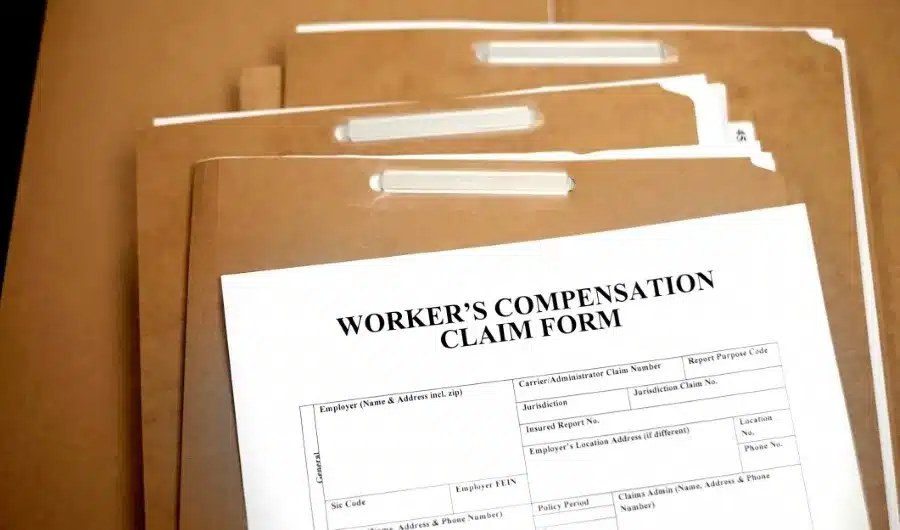
If you are asking, “what happens after workers comp hearing,” the short answer is that the next step depends on what the South Carolina Workers’ Compensation Commission decides and what issues remain open. A hearing does not automatically mean benefits will begin, stop, or change that day. The parties may need to wait for a written order, follow instructions in it, or consider further review. Hammack Law Firm helps injured people understand personal injury and workers’ compensation questions in South Carolina.

Discuss your workers’ compensation questions
What happens immediately after a South Carolina workers’ compensation hearing?
At the hearing, the Commissioner considers the issues presented and the evidence allowed in the proceeding. The parties may have offered testimony, medical records, employment information, or other documents. When the hearing ends, the decision may not be announced immediately. In many cases, the parties must wait for the Commission’s written order to learn how the disputed issues were resolved and what, if anything, must happen next.
Do not assume that a conversation in the hearing room replaces the written order. Keep following any existing medical or benefit instructions unless the Commission or your counsel tells you that they have changed. If you are represented, ask your lawyer how and when the decision will be delivered, and whether you should expect additional requests for information. If you do not receive an expected communication, make a note of when you last checked and follow up through the appropriate contact channel.
The South Carolina Workers’ Compensation Commission’s hearing information explains how an injured worker may request a hearing by filing a form and notes the Commission’s stated timeframe for granting a hearing request. That page concerns the hearing process; it does not predict when a particular written decision will arrive or what it will say.
What may a written order address?
The order should be read as a set of directions about the issues decided, not as a general statement about every part of the claim. A hearing may address one or several disputes. For example, the parties may disagree about whether a particular medical service is authorized, whether benefits are owed for a defined period, or how a work-related condition affects the claim. The precise questions depend on the case and the hearing notice.
An order may resolve the dispute, direct one or both sides to take an action, or leave issues for later handling. It can affect whether payments or medical care should continue, begin, change, or be addressed through another step. Read the entire order, including any dates, conditions, and instructions. Do not rely on a short summary or assume that an outcome on one issue decides every open question.
The table below is a practical way to sort common types of directions in an order. It is not a prediction of what any particular order will say.
| Type of direction or issue | What to look for in the order | Practical follow-up |
|---|---|---|
| Benefit payment or change | Whether a payment is directed, the period covered, and any stated conditions or dates. | Compare the direction with payment records; ask counsel or the claim representative about a discrepancy. |
| Medical care or authorization | The service or care addressed and which party is directed to arrange or authorize it. | Confirm who will schedule or approve the next step, and keep referral and appointment records. |
| Further action or unresolved issue | Any filing, information request, additional proceeding, or issue left open. | Note who is responsible, calendar any stated date, and clarify instructions that are not clear. |
When you receive the order, consider these practical steps:
- Save the full order and envelope or electronic notice showing when it was received.
- Mark every date or response requirement mentioned in the document.
- Write down what the order says each party must do and by when.
- Ask counsel to explain any term or direction that is unclear before you act on an assumption.
- Keep a copy with medical, wage, and claim records so you can compare later communications against the order.
A decision in a workers’ compensation claim is not necessarily a final answer to every concern about recovery, work, or future treatment. The Commission’s decision applies to the issues and record before it. If your condition changes or a new dispute arises, ask how that development should be reported and handled instead of assuming it is covered by the hearing order.
How can the decision affect benefits and medical care?
The effect depends on the specific issue decided and the language of the order. If the order directs a benefit payment or medical step, confirm who is responsible for carrying it out and what documentation is needed. If the order does not grant the particular benefit or treatment you requested, ask counsel to explain the reason stated and whether there are further options. Do not treat a general article as a substitute for reading the order in your own case.
Workers’ compensation benefits may involve wage replacement and medical care, among other questions. The amount, duration, and availability of benefits depend on the circumstances and applicable rules. Hammack Law Firm has additional information about types of workers’ compensation benefits and how wage benefits relate to a worker’s pay. These guides provide general background, not a determination of what your hearing order requires.
If medical care is at issue, compare any instructions in the order with the current treatment plan and communications from the claim administrator. Ask who should schedule an appointment, authorize a service, or receive a report. Keep copies of referral requests, appointment confirmations, and responses. If you are unsure whether you should continue with a provider or follow a new direction, get case-specific advice before making a change. You can also review general information about medical care after a work injury.
If payments are delayed or do not match what you understand the order to say, make a record of the dates and amounts involved. Keep payment notices and any correspondence explaining a change. Contact your lawyer or the appropriate claim representative to ask what has happened. A delay does not by itself establish why a payment was missed, so seek an explanation tied to the written direction and your file.
What should you do if the order requires action?
Follow the order carefully and keep proof of each step. If it requires a form, report, appointment, or other response, find out who must submit it, what information must be included, and where it must go. Keep a copy of what you send and proof of delivery where available. If another party is responsible for carrying out a direction, note the expected action and check what to do if it does not occur.
It can help to make a simple action list:
- Read: Identify each direction, condition, and date in the order.
- Clarify: Ask counsel about language you do not understand or a deadline that is not clear.
- Complete: Gather required documents and take the steps assigned to you.
- Document: Save copies, receipts, appointment records, and messages.
- Follow up: Track whether the other required actions occur and raise concerns promptly.
If the order concerns returning to work, restrictions, or medical follow-up, keep your employer and medical provider communications organized. Do not rely on a verbal discussion alone when the details could affect your claim. Write down who you spoke with, when, and what was said. For general background on work status, see the firm’s information about returning to work while a South Carolina workers’ compensation matter is ongoing.
Can either side challenge or seek review of the decision?
Further review may be possible in some cases, but the available procedure and time limit depend on the type of decision and the applicable rules. Do not assume that every hearing outcome can be challenged in the same way, or that asking a question pauses a deadline. The written order and the procedural posture matter. A lawyer who knows the record can explain whether there is a basis for review, what filings may be needed, and which date controls.
As soon as you receive an order you disagree with, share the complete document with your counsel and ask about the next deadline. If you are not represented, seek qualified legal guidance promptly rather than waiting until you have gathered every possible record. Preserve the hearing notice, submissions, exhibits, and any delivery information. A notice of further review should be handled according to the applicable instructions; do not rely on an informal phone call as a substitute for required filing.
There may also be other practical options short of a challenge, depending on what the order says. A party may need clarification, compliance, or action on an issue the hearing did not decide. Ask whether a new filing or another Commission step is appropriate. Avoid treating negotiation, continued benefits, or a pending medical question as proof that an appeal deadline has disappeared.
What records should you keep after the hearing?
Good records make it easier to understand whether the order has been followed and to explain a later concern. Keep both paper and electronic copies in a place you can find. A useful file may include:
- The hearing notice, any submitted documents, and the written order.
- Letters, emails, and claim-related messages, with dates and sender information.
- Medical records, work restrictions, appointment notices, and treatment-related correspondence.
- Benefit statements, payment records, wage information, and notices of changes.
- A dated log of calls, missed payments, scheduled actions, and questions you still need answered.
Keep original documents where possible. If you take notes during a call, label them with the date and the person you spoke with. Do not alter official records or discard a document because it seems repetitive. If you send information to a lawyer, employer, insurer, or the Commission, save the exact version you sent and any confirmation that it was received.
Some claims continue for a period after the hearing. The duration and next steps vary. The firm’s general resources on how long workers’ compensation may continue and whether every claim ends in a settlement can help frame questions to ask, but neither can establish the status of an individual claim.
What can change the next steps?
The next step can depend on the issues the hearing covered, the evidence considered, the wording of the order, and whether a party takes further action. A claim may also involve medical developments or work changes that arise after the hearing. Those facts can affect what records are needed and what questions remain, but they do not automatically change the order. Tell your lawyer about important developments and ask how to document them.
For example, a new medical recommendation may raise a question about authorization or follow-up. A change in work status may raise questions about restrictions or wage benefits. A missed payment may call for checking the order and payment records. These are different issues; one should not be treated as proof of how another will be resolved. If the hearing involved a denied or disputed claim, the firm’s separate guide to possible next steps after a workers’ compensation denial covers that subject more directly.
For a general overview of what benefits may be involved, see the firm’s South Carolina workers’ compensation guide. If you have questions about a specific order, the hearing record and case history are more important than a general description of the process.
How can you prepare to discuss the order with counsel?
A focused conversation can help you understand what is settled, what remains open, and what you need to do. Before contacting counsel, gather the written order and write down your questions. It may help to ask:
- Which issues did the order decide, and which issues remain unresolved?
- What actions does the order require from me, the employer, or the claim representative?
- Are there deadlines I need to calendar now?
- What should I do if a directed payment, medical approval, or other action does not occur?
- Is there a basis and a deadline for seeking review?
- What new records or updates should I provide, and how should I send them?
Hammack Law Firm is based in Greenville and represents injured people in South Carolina. Paul Hammack’s background includes work representing insurance companies before representing injured people. That experience can inform how the firm evaluates insurance-related issues, but it does not determine the result of any claim. To learn more about the firm’s work, visit its workers’ compensation information page.
Talk with Hammack Law Firm about your case
Frequently Asked Questions
Will the Commissioner tell me the result at the hearing?
Do not assume the decision will be announced in the hearing room. The parties may need to wait for a written order. Ask your counsel how the decision will be communicated and what to do if you do not receive it when expected.
Do benefits automatically change after the hearing?
No. The effect depends on the written order and the issues it addresses. Check the exact directions and ask how they apply to payments or medical care in your claim.
How long do I have to challenge a hearing decision?
The applicable deadline depends on the order and procedure. Review the document promptly and ask counsel to confirm the date and required steps. Do not assume that informal discussions extend a filing deadline.
What if the other party does not follow the order?
Keep a copy of the order and records showing what was supposed to happen and what actually happened. Contact counsel promptly to discuss the appropriate response. The right step depends on the direction and circumstances.
Should I keep going to medical appointments while I wait?
Follow current medical guidance and any applicable claim instructions unless you receive different direction. If you are unsure whether care is authorized or how a new instruction affects your treatment, ask your lawyer or the appropriate provider before changing plans.
Request a conversation about your workers’ compensation questions
After a hearing, use the written order, documented deadlines, and case-specific advice to guide your next steps rather than guessing what the result means.