

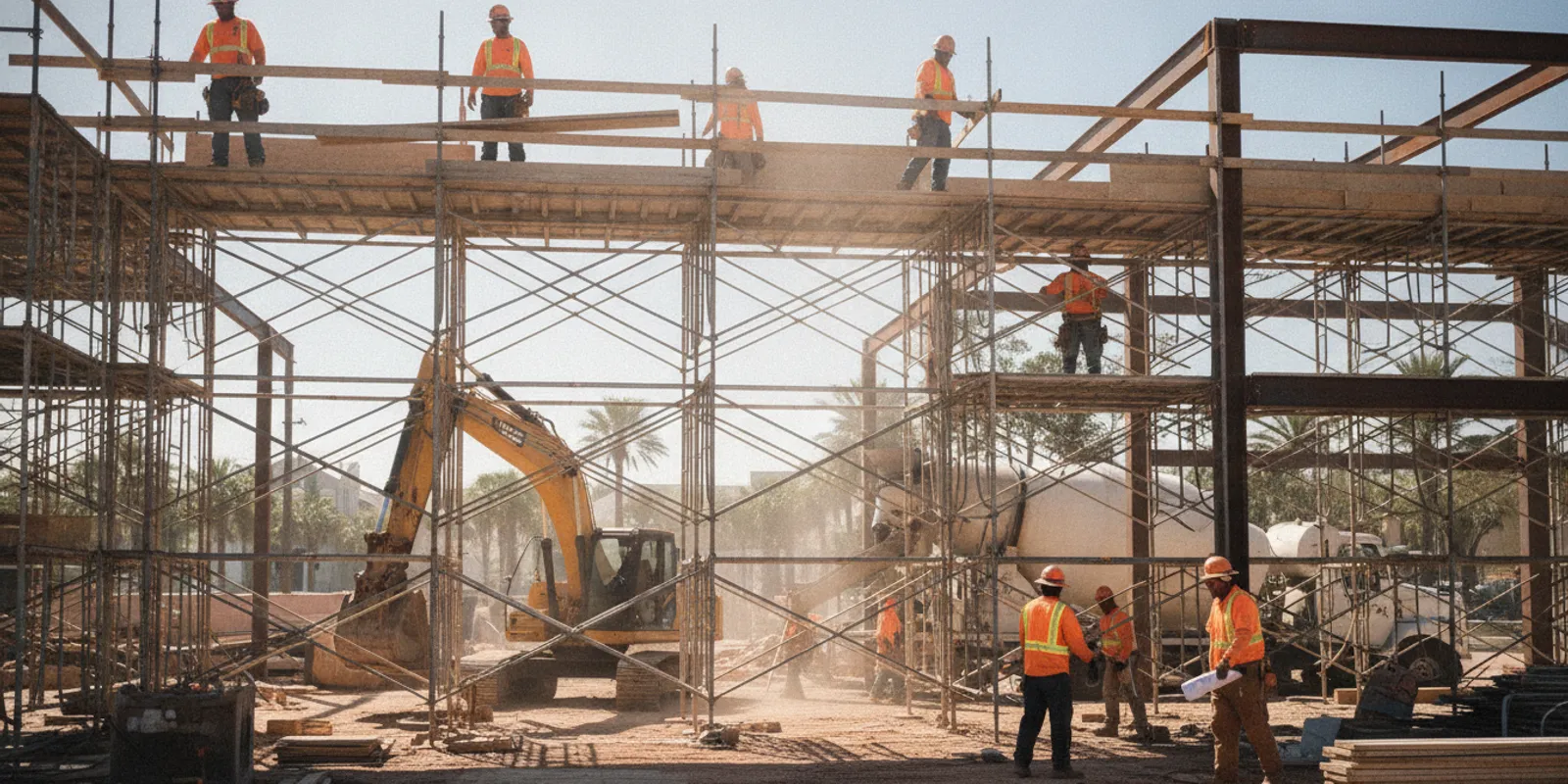
When someone is hurt at work, it is natural to ask what are the common causes of accidents on construction sites and whether a preventable hazard played a role. A fall from a scaffold, a shifting load, unsafe machinery, or an electrical hazard can change a worker’s life in an instant. Understanding how these incidents happen can help workers and families make sense of what happened, preserve useful information, and consider what steps to take next in South Carolina.
Talk with Hammack Law Firm about a construction-site injury
What are the common causes of accidents on construction sites?
Construction sites change from day to day. Crews may work at different heights, move heavy materials, operate vehicles, and share limited space. A hazard can develop when a task changes, equipment is not maintained, or workers do not receive clear instructions. Sometimes several conditions combine: a cluttered walkway, a worker carrying materials that block their view, and no warning that a lift is moving.
Safety agencies commonly group serious construction dangers into falls, struck-by incidents, caught-in or caught-between incidents, and electrocutions. The Texas Department of Insurance’s workplace safety summary of OSHA’s “Fatal Four” identifies falls, struck-by events, electrocutions, and caught-in or -between hazards. A research article available through PubMed Central also examines factors associated with fatal construction accidents, including falls. These sources offer a useful starting point, but they do not explain every cause or determine who is responsible in a particular case.
- Falls: A worker falls from a roof, ladder, scaffold, platform, or through an unprotected opening.
- Struck-by incidents: A person is hit by a vehicle, moving equipment, falling object, or swinging load.
- Caught-in or caught-between incidents: A worker is trapped, crushed, or pulled into machinery, materials, or a collapsing structure.
- Electrocutions: A person contacts energized wiring, equipment, or a power source.
| Hazard category | How it may appear on a jobsite | Information that may help clarify events |
|---|---|---|
| Falls | Unprotected edge, opening, ladder, or scaffold problem | Scene photos, inspection records, fall-protection equipment, and witness accounts |
| Struck-by | Moving vehicle, falling object, or shifting load | Equipment position, load and rigging, traffic plan, video, and operator or spotter accounts |
| Caught-in or caught-between | Worker pinned by machinery, materials, or a structure | Machine condition, guarding, work sequence, and site layout |
| Electrical | Contact with energized equipment, wiring, or a power line | Equipment condition, power-source location, warnings, and incident records |
The records listed are examples, not a checklist for assigning blame. Some may be held by an employer, contractor, property owner, equipment company, or insurer. Keep copies of what you already have and make a note of who may have additional documents; do not trespass, access restricted systems, or take records you are not authorized to possess.
Other contributing conditions can include defective or poorly maintained equipment, inadequate training, missing protective gear, rushed work, and weak coordination among contractors. An incident may involve more than one of these factors.
How do falls happen on construction sites?
Falls can occur from roofs, scaffolds, ladders, elevated work platforms, stairs, or the same level. A worker may also fall through a floor opening or an unfinished edge. The height is not the only concern. A fall onto debris, tools, or an exposed surface can cause severe harm even when the drop is relatively short.
Common contributing conditions include an unguarded edge, a missing or unstable ladder, an unsecured scaffold, a slippery surface, poor lighting, or a walkway blocked by materials. Harnesses and other fall-protection equipment may not be available, fitted correctly, inspected, or attached to an appropriate anchor point. A worker can also lose balance while carrying materials or reaching beyond a safe position.
Changes on a site matter. A floor opening may be created during one phase of work, then left uncovered when a crew moves on. A scaffold may be altered without the next worker knowing. Rain, dust, or loose materials can make a previously passable area hazardous. The site’s daily condition and work sequence can be important when reconstructing an incident.
For practical prevention information, see Hammack Law Firm’s guide on reducing the risk of a construction-site fall. After an injury, photographs of the edge, opening, ladder, scaffold, walking surface, and available fall protection may help document what was present. Do not put yourself in danger to gather evidence.
What causes struck-by injuries?
Struck-by incidents occur when a moving object or vehicle hits a worker. Examples include a construction vehicle backing into someone, a load falling from a crane or forklift, a tool dropped from above, or material swinging while it is being moved. Workers on foot can be especially vulnerable when equipment operators cannot see them or when travel routes and pedestrian areas overlap.
Visibility and communication are recurring issues. Blind spots, loud machinery, poor lighting, and obstructed sight lines can make it hard for a driver and a worker to notice each other. A spotter may be missing, positioned where the operator cannot see them, or using signals that have not been agreed upon. A load can shift if it is not secured or balanced for the lift.
Evidence may include the equipment’s location, the load and rigging, traffic markings, warning devices, operator and spotter positions, and any site video. Record what you remember as soon as you are able, including where you were standing and what you could see or hear. Investigators may need to identify who controlled the vehicle, lift, or work area.
When can a worker be caught in or between objects?
A caught-in or caught-between injury can happen when a person is pulled into moving machinery or pinned between objects. A worker might be caught between a vehicle and a wall, pinned by materials that shift, or trapped when soil or a structure collapses. Unguarded machine parts, moving components, and unexpected equipment startup can create additional risks.
These incidents are not always obvious from a brief description. The details may involve the machine’s condition, whether a guard was in place, how the equipment was shut down, the stability of materials, and the sequence of work. A crew may have had limited space to operate, or workers may not have known that another person was in the equipment’s path.
Preserve the names of witnesses and the location of any equipment or materials involved. If it is safe and permitted, photographs taken by someone on site can show the position of objects before they are moved. Do not interfere with an official investigation or attempt to operate equipment after an incident.
How do electrical hazards lead to construction injuries?
Electrical injuries can result from contact with exposed or damaged wiring, energized equipment, temporary power systems, or overhead lines. A tool or ladder can also conduct electricity if it touches a live source. Wet conditions and damaged cords may increase the danger, while a worker may not know that a circuit remains energized.
Electrical work often takes place alongside other tasks. A crew may be focused on moving a lift, setting materials, or completing work on a tight schedule. If power sources are not identified, equipment is not de-energized, or workers are not warned about nearby lines, a routine task can become dangerous. The location of the source, warning labels, barriers, equipment condition, and site instructions can help explain what occurred.
After an electrical incident, prioritize medical care and follow instructions from emergency responders. Do not touch a person or object that may still be energized. Once the area is safe, note the equipment or location involved and the names of people who saw the event. A qualified investigator may need to examine wiring or equipment; workers should not try to test or repair it themselves.
Can unsafe equipment or poor maintenance cause an accident?
Construction equipment and tools are used in changing conditions and may be shared among crews. A damaged ladder, a faulty brake, a missing machine guard, or a malfunctioning lift can contribute to an injury. Equipment may also be unsuitable for the task, overloaded, or used in a way that its operator was not trained to perform.
Maintenance records, inspection tags, repair requests, manufacturer information, and the equipment’s condition can help establish whether a problem was known or discoverable. The identity of the equipment owner, operator, employer, maintenance provider, and site contractor may also matter. The responsible parties depend on the facts; ownership alone does not answer every liability question.
Take note of the make, model, identifying number, and location of the equipment if you can do so safely. If an object is damaged, avoid altering or discarding it. Tell the appropriate supervisor that it should be preserved for review. Photographs can be useful, but an image does not replace a careful inspection or other records.
Why does inadequate training or communication matter?
Workers need to understand the hazards of their assigned tasks, how to use equipment, and what to do when conditions change. A new worker may not know a site’s traffic pattern. A crew member may not have received instructions about a machine, fall protection, or hazardous area. Even an experienced worker can be exposed when a task changes without a briefing.
Communication problems can affect several employers and crews working in the same area. One team may move a barrier or begin operating equipment without telling nearby workers. A supervisor may assume another crew has inspected a platform. Instructions can also be unclear if workers do not share the same language or if a safety meeting does not address the actual work planned that day.
Useful records may include orientation materials, training records, toolbox talks, written work plans, shift logs, text messages, and reports about earlier hazards. Workers should write down what training they received, who gave instructions, and whether they raised a safety concern. Keep the account factual and avoid guessing about what someone else knew.
What site conditions can contribute to an accident?
A jobsite is a changing workplace. Poor housekeeping can leave cords, scrap, tools, and materials in walkways. Inadequate lighting can hide an opening or uneven surface. Weather can make a roof or access route slick. Congested work areas can force people and vehicles into the same space. Noise can make warnings hard to hear.
Planning and supervision also affect exposure to hazards. If work is rushed, protective measures may be skipped or removed. If multiple contractors do not coordinate, one crew’s task can create a danger for another. A missing barrier, unclear traffic route, or failure to secure materials can become part of a chain of events.
The condition of the site at the time of the incident may differ from what it looks like later. Work may stop, debris may be cleared, equipment may be moved, or repairs may be made. If safe, document the scene promptly and note when any changes occur. A clear timeline can help explain whether a condition was temporary, recurring, or reported before.
What should you do after a construction-site injury?
First, get medical care. Call emergency services for an urgent injury. Even if symptoms seem manageable, tell a medical professional what happened and describe every affected area. Follow treatment instructions and keep appointment, medication, and work-restriction records. Medical documentation can help connect symptoms to the event and track how the injury affects daily life.
- Report the incident: Notify the appropriate supervisor or employer as soon as possible. Ask how to complete an incident report and keep a copy if one is provided.
- Write down your recollection: Record the date, time, location, task, equipment involved, people present, and what happened before and after the injury. Note hazards or warnings you observed.
- Identify witnesses: Save names and contact details for coworkers or others who saw the event or the site condition. Do not pressure anyone to change or coordinate an account.
- Preserve records: Keep photographs, work schedules, messages, job instructions, medical paperwork, pay records, and any incident-related communications. Save original files when possible.
- Avoid speculation: Give accurate information. If you are unsure about a detail, say so rather than filling in a gap.
- Get advice before signing unfamiliar documents: If an insurer, employer, contractor, or other party asks for a statement or release, understand what it says and what rights it may affect before you sign.
For related information about work injuries, Hammack Law Firm has a guide on steps that can help protect an injury claim. You can also read about questions that may arise in a South Carolina workers’ compensation claim and medical care after a work injury.
What records can help explain how the accident happened?
A useful record is one that helps establish what the site looked like, what work was underway, and how the event unfolded. Save items in their original form whenever possible. Keep the date and source of each photo, message, or document, and make a separate note of what you personally remember. If you later realize that a detail is unclear, mark it as uncertain rather than silently changing your first account.
Depending on the incident, relevant material might include a daily work plan, site orientation, equipment inspection or maintenance entries, delivery or lift records, safety meeting notes, incident reports, photographs, and communications about a hazard. Video footage may be overwritten or deleted under routine retention practices, so note whether cameras were present and where they were positioned. Do not try to access a camera system yourself; an appropriate request or investigation may be needed.
Keep documents about the effect of the injury as well. Medical visit summaries, treatment instructions, prescription records, receipts, and work restrictions can help track the care received. Save pay statements or schedules that show missed work, but do not alter or annotate original records. A simple folder or dated list can make information easier to find later.
Not every item will be available to an injured worker, and you do not need to conduct an investigation alone. Write down what exists, who may have it, and when you first requested it. A lawyer can help consider whether additional records should be preserved through appropriate channels.
How does a construction-site accident relate to a South Carolina injury claim?
The available claim or claims depend on how the injury happened, who employed the worker, who controlled the hazard, and what coverage may apply. A work injury may raise workers’ compensation questions. In some situations, another party’s conduct may also be relevant. That could involve a contractor, property owner, equipment company, or another entity, but the facts must be investigated before anyone can say whether a separate claim exists.
These issues can overlap. Workers’ compensation and a claim involving another party are not interchangeable, and a worker should not assume that one automatically rules out the other. Contracts, insurance policies, site-control arrangements, equipment records, and the incident investigation can all help clarify the options. The facts also matter when assessing fault, injury, and available recovery.
It can help to separate the physical cause of an accident from the legal question of responsibility. For example, a worker may be struck by a reversing vehicle. The immediate event is clear, but follow-up questions could include whether the driver had a clear view, whether a traffic plan or spotter was used, who controlled the work zone, and whether the worker had been directed to be there. Evidence—not a label such as “careless” or “unsafe”—is needed to evaluate those details.
Similarly, a fall does not by itself prove that any particular person or company is legally responsible. Investigators may need to learn who installed or inspected a platform, who controlled access to an opening, whether the work assignment changed, and what safety measures were available. A worker’s own recollection is important, but records and independent witness accounts can add context. Avoid making assumptions about fault before the relevant information is gathered.
Hammack Law Firm can review how a construction injury may connect to a South Carolina personal injury matter. Paul Hammack’s background includes 15 years representing major insurance companies, which informs the firm’s perspective on how insurers evaluate injury claims. The firm cannot determine the outcome of a particular matter from a short description alone; an individual review requires details about the incident, injury, and available records.
Hammack Law Firm represents people with personal injury matters in South Carolina. The firm’s work includes motor vehicle accidents, premises liability, and other injury cases; its South Carolina personal injury practice provides more information about the firm. If your injury happened in the Upstate, you can also review the firm’s Anderson-area coverage and Spartanburg-area coverage. The right next step depends on the specific injury and circumstances.
Timing can matter because deadlines and notice requirements vary with the type of claim and parties involved. Keep track of when the incident occurred and promptly ask a qualified South Carolina lawyer about deadlines that may apply. Do not rely on a general article to calculate a filing deadline or decide whether a claim is viable.
If an insurance representative contacts you, ask who they represent and what information they are requesting. Be truthful, but do not guess about a detail you do not remember. Keep a copy of written requests and anything you provide. Before giving a recorded statement or signing a release, consider getting advice about its purpose and possible effect. A request to cooperate does not mean you should skip medical care or stop keeping your own records.
During an initial conversation about an injury, it may help to have the incident date and location, a short description of what happened, the names of involved companies if known, and a summary of medical care. You do not need to know every technical cause before asking questions. If documents or photographs are not in your possession, say so; do not delay urgent treatment or take unauthorized materials to try to fill a gap.
Ask Hammack Law Firm about your construction injury questions
Frequently asked questions about construction-site accidents
Are falls the only common cause of construction injuries?
No. Falls are a significant hazard, but workers can also be struck by vehicles or falling objects, caught in or between equipment and materials, or injured by electrical hazards. Unsafe equipment, site conditions, and inadequate training can contribute to more than one kind of incident.
What evidence should I save after a jobsite injury?
When safe and permitted, preserve photographs of the scene, equipment, hazard, and protective measures. Keep witness names, incident reports, work instructions, relevant messages, schedules, and medical records. Write down your own recollection while it is fresh. Do not alter equipment or enter a hazardous area to obtain evidence.
Can I have a claim if a contractor or equipment company was involved?
Possibly, but the presence of another company does not by itself establish responsibility. The investigation may consider who controlled the work area, supplied or maintained equipment, created or knew about a hazard, and how the incident occurred. A South Carolina lawyer can review the specific facts and explain whether a separate claim may be available.
Should I wait until I know the full extent of my injury before asking questions?
No. Seek medical care promptly and keep following the care plan. You can ask about your options while treatment is ongoing. Early advice may help identify records to preserve and deadlines to discuss, but no one should promise a result before reviewing the facts.
Construction-site injuries can involve difficult questions about safety, medical care, and responsibility. Contact Hammack Law Firm to discuss what happened
and learn what steps may make sense for your situation.

With over 25 years of legal experience, Paul Hammack provides his clients with a level of trial expertise and strategic insight rarely found in personal injury litigation. Having spent the first eight years of his career working within major insurance defense firms across Georgia and South Carolina, Paul gained an intimate understanding of the “other side’s” playbook. This insurance industry background serves as a unique differentiator for his clients; he knows exactly how insurance carriers evaluate risk and what motivates them to pay top dollar for a claim.
In 2008, Paul founded Hammack Law Firm to move away from the “plaintiff mill” model and focus on building personal relationships with those he represents. As a seasoned litigator, he has tried dozens of first-chair cases to verdict, specializing in high-stakes litigation involving catastrophic injuries and complex truck accidents. His dual-state practice allows him to provide aggressive representation across both South Carolina and Georgia, ensuring victims of negligence receive the maximum financial compensation possible regardless of which side of the state line the accident occurred.
Paul’s commitment to excellence is reflected in his record of significant achievements, including a $10 million tractor-trailer wrongful death settlement and a $3.9 million moped-versus-truck recovery. His credentials and bar admissions in both South Carolina and Georgia underscore his deep roots in the regional legal community. Beyond the courtroom, Paul is a dedicated advocate for his local community, contributing his time and resources to organizations such as the United Way, Red Cross, and Hands On Greenville, all while working to make South Carolina a safer place for everyone.


