

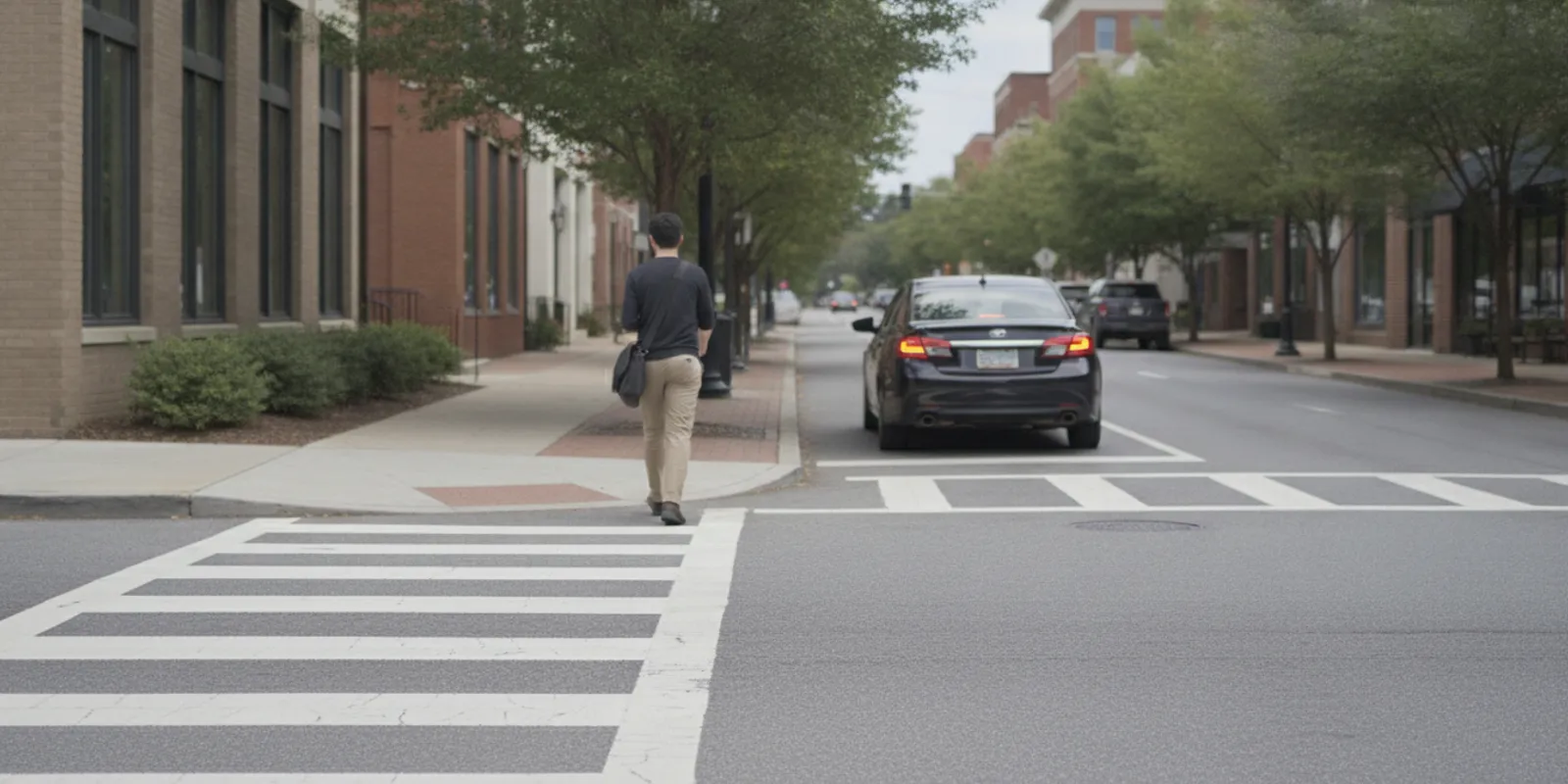
If you are trying to decide what to do after a pedestrian accident in South Carolina, start with safety and medical care. Once immediate needs are handled, preserve the details that could help explain what happened and keep a careful record of treatment, expenses, and insurance contact.
Contact the firm to discuss your situation
What should you do at the scene?
Move away from traffic if you can do so safely. Do not try to stand or walk if you may have a serious injury. Ask someone to call 911 if anyone is hurt, traffic creates danger, or the driver has left. Follow the dispatcher’s instructions and wait somewhere safe for responders. If you are alone and cannot move safely, tell the dispatcher where you are and wait for help rather than attempting to cross a lane or retrieve belongings.
Exchange basic information with the driver when it is safe: name, contact details, license plate, driver’s license, and insurance information. Avoid arguing about fault or guessing about speed, distance, visibility, or what either person could see. You can describe what you remember to police and medical personnel without deciding who caused the crash. If the driver is angry or the scene feels unsafe, step away and let responders handle communication.
Note the time and exact location, including street names, intersection, direction of travel, and nearby landmarks. In Greenville, a business, traffic signal, or cross street can help identify the location later. Record weather, lighting, traffic controls, and crosswalk markings if you can do so without entering traffic. Do not risk another injury to take a photo or retrieve an object. If you cannot record the information yourself, ask a witness or trusted person to make a short note.
Before leaving the scene, if doing so is practical, confirm how to obtain the responding agency’s report or incident number. Do not assume a report will contain every detail or that every witness gave a statement. Record the agency name and any instructions you receive. If no officer attends, write down that fact and preserve your own account while the sequence remains fresh.
Why should you seek medical care promptly?
Arrange an evaluation as soon as you can, even if symptoms seem minor. Some effects of a collision are not immediately obvious. Tell the provider you were struck as a pedestrian and describe every symptom you notice, including pain, dizziness, numbness, confusion, headache, or difficulty moving. If symptoms become severe or rapidly worsen, seek urgent medical attention.
Follow the instructions given by your medical provider. Keep discharge paperwork, prescriptions, referrals, appointment information, and bills. If symptoms change or worsen, contact a medical professional rather than relying on an insurer’s opinion. A dated record of symptoms and treatment can help you explain how your condition developed over time. Use clear, specific descriptions: where discomfort occurs, when it began, and what makes it better or worse.
Do not put off needed care because you are unsure who will pay. Ask the provider or insurer what information they need, and keep copies of bills and responses. Health insurance, auto coverage, and other policies may involve different processes depending on the facts. Save the name of each person you speak with and the date of the conversation. If you receive a bill that appears incorrect, keep it and ask the provider how to review it rather than discarding it.
A treatment calendar can help prevent avoidable confusion. Record the appointment date, provider, reason for the visit, follow-up instructions, and any referral. If you must reschedule, note why and the new date. A missed appointment does not explain itself in a file; a brief, accurate note about transportation, illness, or another obstacle may help you recall the circumstances later. Continue to follow medical advice and ask the provider questions when instructions are unclear.
What evidence can help explain how the collision happened?
Some evidence can disappear quickly. If you are physically able and it is safe, collect basic details while they are fresh. If you are injured or overwhelmed, ask a trusted person to help. Useful items may include:
- Wide and close photographs of the crossing, roadway, signal, vehicle, visible injuries, clothing, and damage.
- The driver’s name and contact information, vehicle description, insurance details, and any statements made.
- Names and contact details for witnesses, along with a short note about where each person was standing.
- The responding agency’s name and any report or incident number provided.
- Shoes, clothing, a bag, or other belongings involved in the collision, kept without washing or alteration.
- Messages, route records, photos, receipts, and dated notes about symptoms or activities you could not do.
Keep original photo and video files when possible. Make a backup, and note when and where each image was taken. Avoid editing a picture in a way that changes its content. If a nearby business or residence may have camera footage, write down its location and ask promptly whether it can preserve the recording. Systems may overwrite footage, and you may need help making a formal request. Do not enter private property or attempt to obtain footage by confronting anyone.
Make notes about the sequence in your own words: where you began crossing, what you saw, what you heard, and what happened immediately before and after impact. Separate what you personally remember from what another person told you. If you are uncertain about a detail, mark it as uncertain instead of filling in a gap later. Keep the first account; if memory becomes clearer, add a dated supplement rather than silently changing the original.
For local context about pedestrian collisions, see the firm’s Greenville pedestrian accident information. The goal of documenting the scene is not to prove a conclusion immediately. It is to preserve observable facts so they can be assessed later.
How should you handle insurance contact?
An adjuster may contact you for basic information or request a recorded statement. You can provide factual information, but avoid speculation, minimizing an injury, or accepting a description you do not understand. If you do not know an answer, say so. If you need time to check a record or speak with someone, ask to respond later. Before a call, write down the date, claim number, and questions you want answered.
Before signing a release or accepting a settlement, understand exactly what it covers. A document may resolve some or all claims, and signing can affect your ability to seek further payment. Ask for the proposed terms in writing and take time to review them. Do not assume a payment covers future treatment or every loss unless the agreement clearly says so. If you are uncertain about the effect, get advice before signing.
Keep a call log with the date, adjuster’s name, company, telephone or email details, what was requested, and what you supplied. Save letters, emails, claim numbers, and copies of forms. The South Carolina Department of Insurance website provides consumer information about insurance matters. For a specific policy or claim, contact the insurer through the information on your policy and ask for its position in writing.
When sending documents, keep a copy of exactly what you sent and how you sent it. If you provide a medical bill or photograph, identify it in your log. Do not send original items unless you have confirmed why they are needed and how they will be returned. A simple record of requests and responses helps distinguish an unanswered request from one that has already been completed.
What should you track in the days and weeks afterward?
Create one accident folder, whether paper or digital. Use clear filenames and keep originals as well as copies. Sort materials into practical groups such as medical care, crash information, insurance, work, and expenses. This makes it easier to find a document when a provider, insurer, or legal professional asks a question. Consider a contents list with the date, document type, and where the original is stored.
Track appointments, symptoms, medication instructions, and changes in ordinary activities. A short daily note can be more useful than trying to reconstruct a month from memory. Record concrete details: how far you walked, whether you needed help with a task, or whether pain interrupted sleep. Avoid exaggeration and distinguish a bad day from a typical one. You might note, for example, that you had to stop halfway through a grocery trip, rather than writing only that the day was difficult.
If you missed work or had to change duties, keep pay statements, schedules, employer messages, and confirmation of missed shifts. Do not estimate an income loss without supporting records. Keep receipts for accident-related travel, medical supplies, or other out-of-pocket costs, and note why each expense was incurred. For a trip to an appointment, the date, destination, and purpose can make a receipt easier to understand later.
Do not post detailed accounts, images, or opinions about fault on social media. A post may be seen without the context you intended. Keep relevant communications and do not delete material that relates to the collision. If you receive a request to preserve information, take it seriously and ask what materials it covers. You can also ask friends and family not to tag you in posts about the crash or your activities while you are sorting out the situation.
Review your folder once a week. Check whether upcoming appointments are recorded, whether new bills have been added, and whether any insurer request has a response date. This does not require a complicated spreadsheet. A dated checklist with “received,” “sent,” and “follow up” columns can prevent documents from being misplaced. Keep sensitive records secure and share them only with people who need them for care, insurance, or advice.
What details can change the next steps?
No two pedestrian crashes produce exactly the same evidence or insurance questions. A marked crossing, traffic signal, driveway, parking lot, or roadway without a marked crosswalk may each require attention to different facts. Record the actual location and layout rather than relying on a broad label such as “intersection.” Note whether a vehicle was turning, backing, exiting a driveway, or moving through a signal-controlled crossing if you personally observed it.
Consider a hypothetical collision at dusk near a Greenville intersection. A pedestrian remembers crossing with a walk signal, while a nearby shop may have a camera pointed toward the road. Helpful follow-up would include noting the signal location, identifying the shop, recording the direction of travel, and asking promptly about preserving video. This does not establish what the footage shows; it simply identifies a possible source before it is lost. If the signal changes quickly, note the cycle and timing as you remember them, while clearly labeling that memory as approximate.
In another example, a witness may have seen only the moments after impact. That person can still describe the vehicle’s position, the pedestrian’s condition, or statements made at the scene, but may not be able to explain how the collision began. Write down precisely what the witness observed and avoid treating every witness as if they saw the entire event. A second witness who heard a horn but did not see the impact may contribute a different, limited observation.
Responsibility is not determined solely by whether someone was walking or driving. The location, visibility, signals, movements, statements, physical evidence, and applicable law may all matter. A police report can be an important record, but it may not answer every question. Do not assume that a preliminary account is the final assessment of the facts. If a report contains something you believe is inaccurate, preserve a copy and ask how corrections or supplemental information may be submitted.
What deadlines and legal questions should you keep in mind?
Time limits can depend on who was involved, the kind of claim, and other circumstances. Do not calculate a filing deadline from a general article or assume that an insurance discussion pauses a legal deadline. If you are considering a claim, ask for advice promptly so the applicable dates and evidence needs can be reviewed. This guide does not state a specific deadline because the relevant facts and potential parties can change the analysis.
Other questions may include which policies could apply, what medical information is relevant, how the collision occurred, and how the injury affects daily life. Preserve letters and forms that refer to deadlines, requests for records, or settlement terms. If you do not understand a request, ask what it means before responding or signing. Keep the envelope or email showing when a notice arrived if it includes a date that could matter.
Hammack Law Firm handles personal injury matters in South Carolina, including pedestrian collisions. Attorney Paul Hammack has 15 years of insurance-defense experience. The firm’s results page describes selected outcomes; past results do not predict or guarantee a future result.
How can you prepare to speak with a lawyer?
You do not need to assemble a perfect file before asking about the process. Start with the date and location, the driver and insurer details if known, any report number, a short factual account, and where you have received medical care. Mention what information is missing so it is clear what still needs to be found. A concise timeline can help: collision, first medical visit, follow-up care, insurer contact, and any significant change in symptoms.
Prepare questions about communication, likely next steps, documents to preserve, fees and expenses, and who would handle your matter. Ask how updates are provided and what to do if an insurer contacts you again. A consultation is an opportunity to understand the process; contacting a firm does not itself establish representation, which requires a separate agreement. You can ask how the firm handles a question when the answer depends on additional records or investigation.
For general process information, review the firm’s frequently asked questions. You can also use the Greenville pedestrian collision page for related information. Keep questions specific to your own facts rather than assuming another person’s experience will match yours.
It can help to bring or have available a short set of materials, not an unfiltered box of every record. Useful items may include the incident number, insurance correspondence, the first medical paperwork, a list of providers, and a few original scene photographs. If you do not have an item, say so. Avoid delaying a conversation merely because you are still waiting for a report or bill.
Which steps belong on your immediate checklist?
| Stage | Practical action | Information to keep |
|---|---|---|
| At the scene | Get to safety, call for help, exchange factual details when safe. | Location, time, driver and witness details, incident number. |
| Medical care | Arrange evaluation, describe symptoms, follow clinical instructions. | Visit records, prescriptions, referrals, bills, dated symptom notes. |
| Evidence | Photograph safely, preserve belongings, identify possible video. | Original files, camera locations, witness observations. |
| Insurance | Keep a communication log and review documents before signing. | Claim numbers, letters, requests, releases, written responses. |
| Follow-up | Organize treatment, work, and expense records; ask about time limits. | Appointment calendar, pay records, receipts, deadline questions. |
Use the checklist as a way to organize, not as a substitute for medical care or advice about a specific claim. If you cannot complete a step because of your condition, note what remains and ask someone you trust to help when possible. The order matters less than safety and care; documentation can be delegated and completed later.
For example, a person who is taken from the scene for treatment may not be able to photograph the intersection or collect the driver’s documents. A family member can record the location from a safe public place, save the hospital paperwork, and write down the names of people who contacted the family. Each helper should identify which details they personally observed and which came from someone else.
Request a conversation about next steps
Frequently Asked Questions
Should I call the police after a pedestrian accident?
Call 911 when someone is injured, the scene is unsafe, or emergency help is needed. If responders attend, note the agency and ask how to obtain the report or incident details. A report records information but does not necessarily resolve every issue about responsibility.
What if the driver left before I got their information?
Move to a safe place and contact law enforcement. Tell responders the vehicle description, direction of travel, location, and any part of the plate number you remember. Ask witnesses for contact information and note nearby cameras that may have recorded the event. Do not chase the vehicle or put yourself in danger to obtain more details.
What if I was not in a marked crosswalk?
Record where you were, the route you took, traffic controls, visibility, and what the driver did. The location is one fact among many and does not, by itself, answer every question about fault. A review can consider the evidence and rules that apply to the particular circumstances.
Can I ask questions before I know the full extent of my injuries?
Yes. You can ask about the process and what information may be useful without making a final decision or accepting an offer. Continue to follow medical guidance and do not sign a release until you understand its effect.
Does a consultation mean I have hired the firm?
No. A conversation is not the same as an agreement for representation. Ask how the process works and carefully review any written agreement before signing.
After a pedestrian collision, focus on care first and preserve a clear record of what happened and what follows. If you have questions about your circumstances, organize the available details and seek guidance rather than relying on assumptions.
Contact the firm to discuss your situation

With over 25 years of legal experience, Paul Hammack provides his clients with a level of trial expertise and strategic insight rarely found in personal injury litigation. Having spent the first eight years of his career working within major insurance defense firms across Georgia and South Carolina, Paul gained an intimate understanding of the “other side’s” playbook. This insurance industry background serves as a unique differentiator for his clients; he knows exactly how insurance carriers evaluate risk and what motivates them to pay top dollar for a claim.
In 2008, Paul founded Hammack Law Firm to move away from the “plaintiff mill” model and focus on building personal relationships with those he represents. As a seasoned litigator, he has tried dozens of first-chair cases to verdict, specializing in high-stakes litigation involving catastrophic injuries and complex truck accidents. His dual-state practice allows him to provide aggressive representation across both South Carolina and Georgia, ensuring victims of negligence receive the maximum financial compensation possible regardless of which side of the state line the accident occurred.
Paul’s commitment to excellence is reflected in his record of significant achievements, including a $10 million tractor-trailer wrongful death settlement and a $3.9 million moped-versus-truck recovery. His credentials and bar admissions in both South Carolina and Georgia underscore his deep roots in the regional legal community. Beyond the courtroom, Paul is a dedicated advocate for his local community, contributing his time and resources to organizations such as the United Way, Red Cross, and Hands On Greenville, all while working to make South Carolina a safer place for everyone.


