

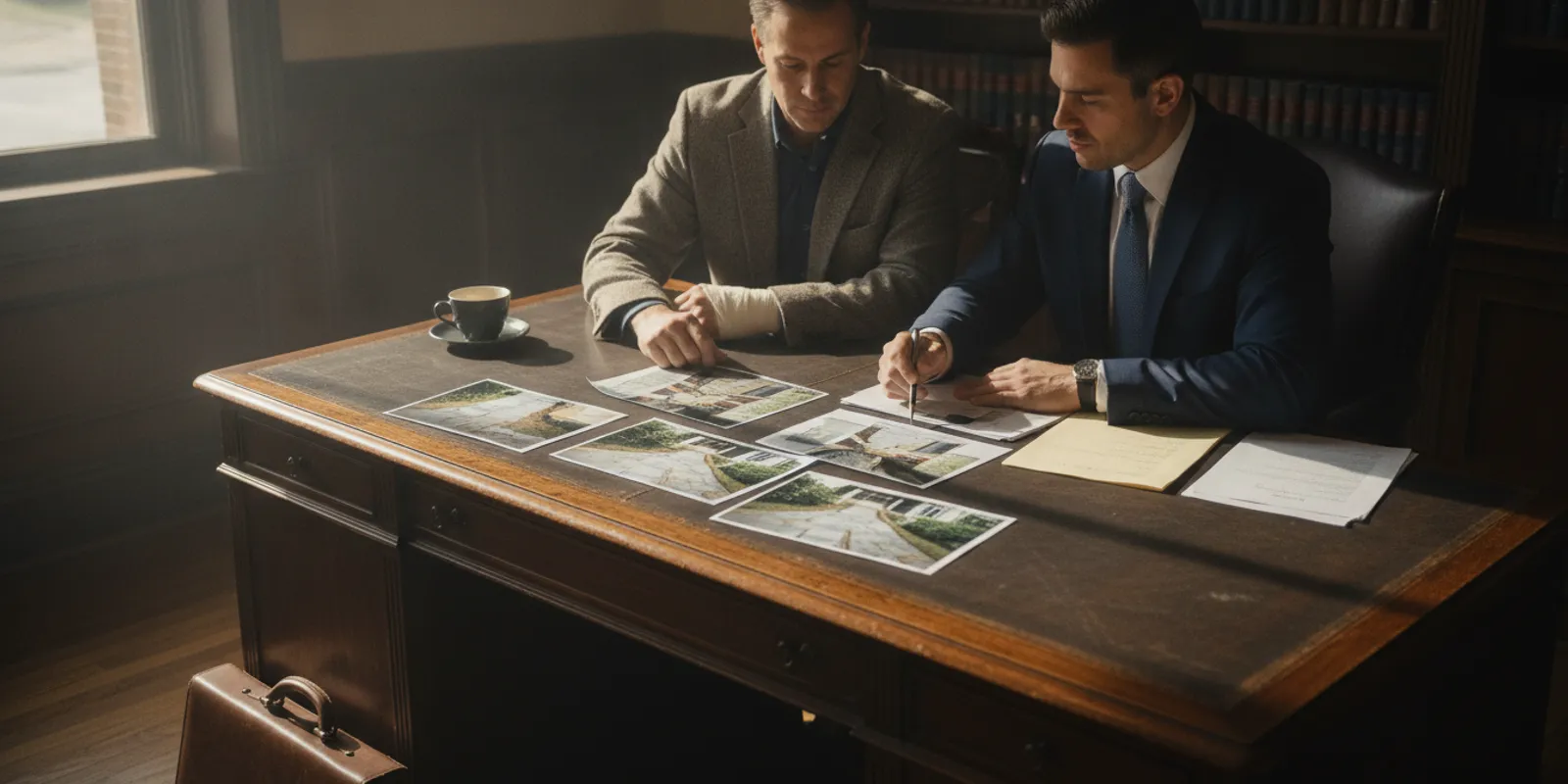
A fall on someone else’s property can leave you with pain, appointments, missed work, and questions about what to do next. If you are looking for a personal injury lawyer for slip and fall concerns in South Carolina, focus on whether the lawyer can explain what facts matter, what evidence may be available, and what uncertainties remain. A fall alone does not establish legal responsibility. The condition, control of the property, and events surrounding the fall all need careful review.
Contact the firm to discuss your situation
What does a lawyer evaluate after a slip and fall?
A lawyer first needs a clear account of the event. Important questions can include where the fall happened, what the hazard was, who controlled that part of the property, how long the condition may have existed, and whether anyone knew or reasonably should have known about it. The analysis is fact-specific. A wet floor, damaged step, loose mat, and uneven walkway may raise different questions.
Responsibility does not follow automatically from an injury on someone else’s premises. The review may consider whether a hazardous condition existed, what the responsible party knew or should have known, whether a warning or repair was practical, and whether the condition contributed to the injury. A lawyer can investigate those issues but cannot promise an outcome based on a short account.
The impact on your health and daily life also matters. Medical records can document symptoms, diagnosis, treatment, and progress. Work records may show missed time or changed duties. Receipts and other records may help describe expenses. The evidence should connect the event with the injury and explain the consequences without overstating what is known.
How do different evidence sources help?
There is no single document that proves every part of a premises injury claim. Different materials may answer different questions, and their usefulness depends on when and how they were created. This comparison can help you organize what you already have and identify what may be missing.
| Evidence source | What it may help clarify | Practical step |
|---|---|---|
| Photographs or video | The hazard, surrounding area, lighting, signs, or route taken | Preserve original files and note when and by whom images were made |
| Incident report and communications | When the event was reported and what was said at the time | Request a copy if available and keep your own notes of conversations |
| Witness information | What someone saw before, during, or after the fall | Record names and contact details without coaching anyone’s account |
| Inspection or maintenance records | Whether the area was checked, cleaned, repaired, or previously reported | Tell a lawyer promptly if you believe such records exist |
| Medical and work records | Symptoms, care, restrictions, missed time, and effects on daily activities | Keep copies and follow providers’ instructions |
| Clothing or footwear | Potential physical context about contact with the surface or damage | Preserve items as they are, if practical, before cleaning or discarding them |
The table is a sorting aid, not a checklist every claim must satisfy. Some records may not exist, and some evidence may be unavailable. A lawyer can help distinguish a useful lead from a fact that can actually be established. For example, a photo of a wet floor taken immediately after a fall may show the condition, but it may not establish how long the liquid had been there. A witness who saw a spill earlier or a cleaning log could help answer a different question. Each source has limits, so keep context about when it was created.
What should you look for when choosing a lawyer?
Start with fit and communication rather than a slogan. Ask who will handle the matter, how you can reach that person, how updates are provided, and what information is needed for an initial assessment. A clear answer helps you understand how the relationship may work.
- Premises injury familiarity: Ask about the kinds of hazards and evidence problems the lawyer has handled and how they would investigate the situation you describe.
- A practical investigation plan: Ask what records, photos, witness details, or inspection information might matter and whether anything could be time-sensitive.
- Direct communication: Find out who will answer questions and how important developments and decisions will be explained.
- Plain explanations: The lawyer should be able to discuss uncertainties and possible obstacles without making the process sound certain or simple.
- Written financial terms: Ask how fees and case expenses are handled, when they may apply, and what agreement explains the arrangement. Read it and ask about unclear language before signing.
Hammack Law Firm represents injured people in South Carolina in personal injury matters, including premises liability. Read about its Greenville premises liability practice and Greenville slip and fall injury services. Those pages describe the practice area; a conversation is needed to consider the facts of an individual situation.
What information can help a lawyer assess the fall?
You do not need to resolve legal questions before asking for guidance. If you are able, write down the date, approximate time, address, where you were walking, what you noticed, and how you fell. Include names or descriptions of people who witnessed the event or spoke with you afterward. Separate what you remember directly from what someone else told you.
Photographs may show the hazard and its setting. Preserve original files if you or another person took pictures. A view of the specific condition may be useful alongside images of the wider area, signs, lighting, and the route you used. Note when a photo was taken and who took it. Do not return to a dangerous location or put yourself at risk to obtain images.
Report the incident to the property owner, manager, or staff when appropriate. Ask how to obtain a copy of any incident report and record whom you spoke with and when. An incident report may not contain every detail, so keep your own recollection as well. Avoid filling gaps with guesses.
Keep emails, texts, letters, insurer messages, receipts, and records related to the event. If someone asks for a recorded statement or a signature, take time to understand the request and consider getting legal guidance first. Do not alter, discard, or selectively edit material that may relate to the fall.
Why can preserving evidence be time-sensitive?
A property’s condition may change. A spill can be cleaned, a step repaired, and a video system may overwrite recordings according to its retention practices. Stores and building managers may also keep inspection logs, cleaning schedules, maintenance requests, or repair records. Their availability varies, so do not assume they will be preserved automatically.
If you believe a camera captured the fall or the area shortly before it, note its location and tell a lawyer promptly. The same applies if you heard that a repair was made soon afterward or that a complaint had previously been reported. A lawyer can evaluate what preservation request or other step may be appropriate. Do not attempt to access a private system yourself.
Make a simple timeline while your memory is fresh. Include when you arrived, the route you took, what you saw, when the fall occurred, who helped, what you reported, and what happened afterward. Mark uncertain details as uncertain. A timeline is more useful when it is precise about the limits of your memory than when it presents assumptions as facts.
Witnesses may have seen the condition, the fall, or what staff did afterward. Write down contact information if you have it, but do not pressure anyone to adopt a particular account. If footwear or clothing was involved, keep it in its current condition if practical. It may or may not matter, but cleaning or discarding it could remove information.
A practical way to organize this material is to make separate folders for the event, medical care, work and expenses, and communications. Use filenames that preserve dates, such as “2026-10-18-walkway-photo” rather than “photo-final.” Keep a short index listing what each item is and who created it. Do not annotate or crop the only original image; if you need a marked-up copy to explain a detail, retain the unedited file too. This small amount of organization makes it easier to identify missing dates and avoid confusing a later photo with one taken at the scene.
How do medical records and recovery affect the review?
Your health comes first. Seek appropriate medical care and follow your provider’s instructions. Describe when symptoms began and how they affect daily activities. If symptoms change or new concerns develop, raise them with a health care provider rather than relying on a legal discussion to answer a medical question.
Keep appointment summaries, bills, prescriptions, work restrictions, and other records you receive. A brief daily note can record pain, mobility, sleep, household tasks, or missed work. Keep it factual and dated. You do not need to write a lengthy account for the note to help you remember how recovery progressed.
A prior injury or health condition in the same area does not automatically determine whether a fall caused a new injury or affected an existing one. The timing of symptoms, earlier and later records, and a provider’s assessment may all be relevant. Be accurate about prior symptoms and treatment when speaking with a lawyer or provider.
For instance, a person with a prior knee problem might note that the knee was stable before the fall, then record when swelling or difficulty walking appeared and what care followed. That account does not itself establish cause. It can, however, help the provider understand the timeline and may help a lawyer locate relevant records. Avoid conclusions about diagnosis or causation that a qualified provider has not made.
Work and household effects can be recorded in similarly concrete terms. Instead of writing only “I could not work,” note the scheduled shift missed, any modified duty, and the date duties changed. If you needed help carrying groceries or climbing stairs, record when and how long that assistance was needed. These examples are not a required format; the goal is to preserve an accurate account of ordinary effects while they are fresh.
You can review the firm’s frequently asked questions for general information. That material, like this article, cannot decide how a particular claim will be evaluated.
What issues can make a claim more complicated?
Unclear notice. It may be difficult to establish how long a hazard was present or whether someone responsible for the property knew or should have known about it. Video, inspection records, witnesses, or the condition itself may help, but evidence can be incomplete.
Conflicting accounts. A property representative, insurer, witness, and injured person may describe events differently. A prompt, accurate timeline and preserved records can help identify what is agreed and what remains disputed. Avoid posting speculation about the event online.
Questions about fault. An insurer may ask whether you saw the condition, where you were looking, or whether something distracted you. Such questions do not by themselves decide responsibility. Give accurate answers and do not guess. The significance of a detail depends on the evidence and applicable law.
More than one potentially involved party. An owner, tenant, property manager, maintenance company, or another party may have had a role in controlling the area. Property arrangements and maintenance work may need review. Do not assume the name on a storefront identifies every party with a role.
Deadlines and notice rules. Time limits can depend on the claim and the parties involved. A matter involving public property or a public entity may involve different notice questions than one involving private property. Do not use a general article to calculate a deadline; ask a lawyer promptly to identify the rules that may apply.
Different types of property. A fall at a private business, an apartment complex, a workplace, or a government facility can raise different questions about control, reporting, and records. For example, a tenant may report a broken stair to a landlord, while a visitor at a shop may report a spill to staff. The person who receives the report may not be the only party with responsibility for the area. Identifying who maintained, inspected, or repaired the location can take investigation rather than guesswork.
Changes after the incident. A repair made after a fall may explain why the present condition differs from the one described by a witness. It does not automatically answer who knew about the hazard beforehand. Record when you learned about the change and the source of that information, and let a lawyer evaluate whether it matters.
What should you expect during a consultation?
A consultation is a two-way conversation. You explain what happened and ask questions; the lawyer gathers enough context to discuss possible next steps. Bring a timeline, photographs, incident report, medical information, and relevant communications if available. If you do not have a document, say so rather than waiting until you have assembled everything.
You may be asked where the fall occurred, what caused it, how the area looked, whether anyone witnessed it, what you reported, and what treatment followed. You can ask whether there is an immediate evidence-preservation concern, what investigation might be needed, and what uncertainties remain. A responsible discussion distinguishes known facts from open questions.
It may help to prepare a short account in chronological order: arrival, route, condition, fall, immediate response, report, and treatment. Keep it to what you remember and flag any approximate times. If you have several versions of a document or photo, explain which is original and when each copy was made. This avoids spending the first part of the conversation sorting out basic chronology.
Before deciding whether to hire a lawyer, ask who will handle the matter, how the firm communicates, what work may happen next, and how the written agreement addresses fees and expenses. Ask how you can receive copies of records you provide. Take time to review the terms so you understand the arrangement before agreeing.
For broader firm information, see the South Carolina personal injury practice overview or the Anderson slip and fall information. For official state legal materials, the South Carolina Legislature website provides access to legislative information and statutes. It is an official starting point, but it does not explain how a rule applies to your facts.
Contact the firm to ask about a consultation
Frequently Asked Questions
Do I need photographs before speaking with a lawyer?
No. Photos can help, but you can still explain what happened without them. Share what you remember and mention possible video, witnesses, incident reports, or other records. Do not risk your safety to return to the location.
Should I wait until treatment is complete before asking a lawyer?
You do not have to wait for treatment to end before asking about the incident. A lawyer can discuss what is known and what questions remain while you follow your provider’s recommendations. Do not delay an inquiry when evidence may be lost or a deadline may apply.
Does a fall automatically make a property owner responsible?
No. A fall alone does not establish responsibility. The condition, control of the area, what a responsible party knew or should have known, steps taken, and evidence of injury may matter. A fact-specific review is needed.
What if I may have contributed to the fall?
Describe the event honestly, including anything you think may have contributed. Questions about fault depend on the facts and applicable law. Do not assume one detail decides whether you can bring a claim; ask a lawyer to consider the full situation.
How soon should I ask about video or other records?
As soon as you learn relevant video or records may exist, note where they may be held and tell a lawyer. Retention practices vary, and material may not remain available. Do not assume a recording will be saved automatically.
This information is general and is not a substitute for legal advice about your individual circumstances.
Contact the firm to discuss your slip and fall injury.

With over 25 years of legal experience, Paul Hammack provides his clients with a level of trial expertise and strategic insight rarely found in personal injury litigation. Having spent the first eight years of his career working within major insurance defense firms across Georgia and South Carolina, Paul gained an intimate understanding of the “other side’s” playbook. This insurance industry background serves as a unique differentiator for his clients; he knows exactly how insurance carriers evaluate risk and what motivates them to pay top dollar for a claim.
In 2008, Paul founded Hammack Law Firm to move away from the “plaintiff mill” model and focus on building personal relationships with those he represents. As a seasoned litigator, he has tried dozens of first-chair cases to verdict, specializing in high-stakes litigation involving catastrophic injuries and complex truck accidents. His dual-state practice allows him to provide aggressive representation across both South Carolina and Georgia, ensuring victims of negligence receive the maximum financial compensation possible regardless of which side of the state line the accident occurred.
Paul’s commitment to excellence is reflected in his record of significant achievements, including a $10 million tractor-trailer wrongful death settlement and a $3.9 million moped-versus-truck recovery. His credentials and bar admissions in both South Carolina and Georgia underscore his deep roots in the regional legal community. Beyond the courtroom, Paul is a dedicated advocate for his local community, contributing his time and resources to organizations such as the United Way, Red Cross, and Hands On Greenville, all while working to make South Carolina a safer place for everyone.


