

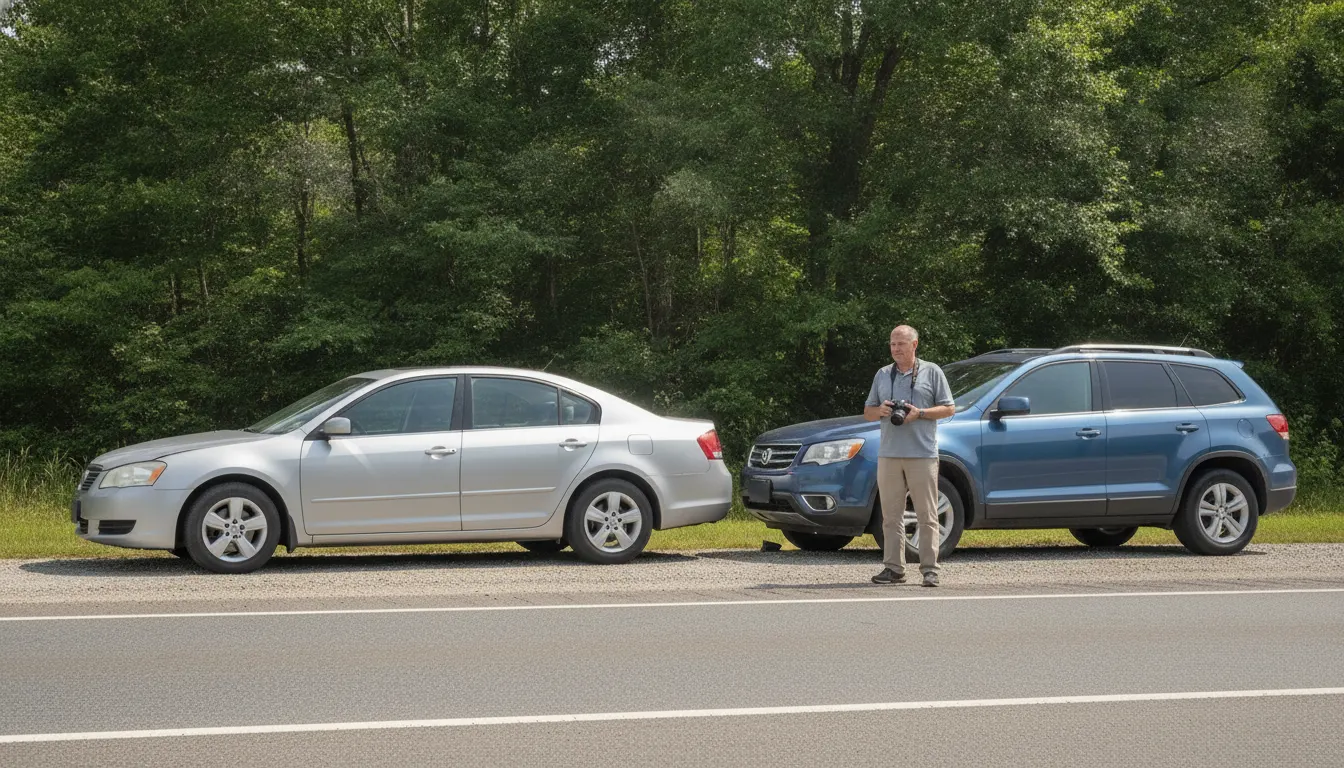
If you are looking for Anderson collision claim evidence, start by creating a calm, organized record of what happened. Photos, witness details, medical records, collision reports, and claim communications can help show the event and its effects. Preserve the original files, avoid guessing about fault, and get legal guidance when the injuries or losses are significant.
Contact Hammack Law Firm for a collision claim review
Why Anderson collision claim evidence matters
Evidence gives a claim a timeline. It can connect the road, vehicles, people, injuries, treatment, and financial losses without relying on memory alone. A photo or note does not guarantee a result, but a complete record can make it easier to evaluate what occurred and identify questions that need further investigation. A dated, organized file also helps you explain the sequence of events without relying on memory alone. It can also help a lawyer spot missing records early.
Anderson drivers may encounter different conditions on I-85, US 29, US 76, SC 28, and local streets. The exact location matters because lane markings, traffic signals, lighting, weather, construction, and nearby businesses may help explain what happened. Record the location precisely, including the nearest intersection, exit, mile marker, or visible landmark.
What should you document at the collision scene?
At the scene, document what is safe to document. Move to a safe place if possible, follow instructions from emergency personnel, and never stand in traffic to get a picture. If you cannot gather evidence because of an injury or danger, ask a trusted person to help when appropriate.
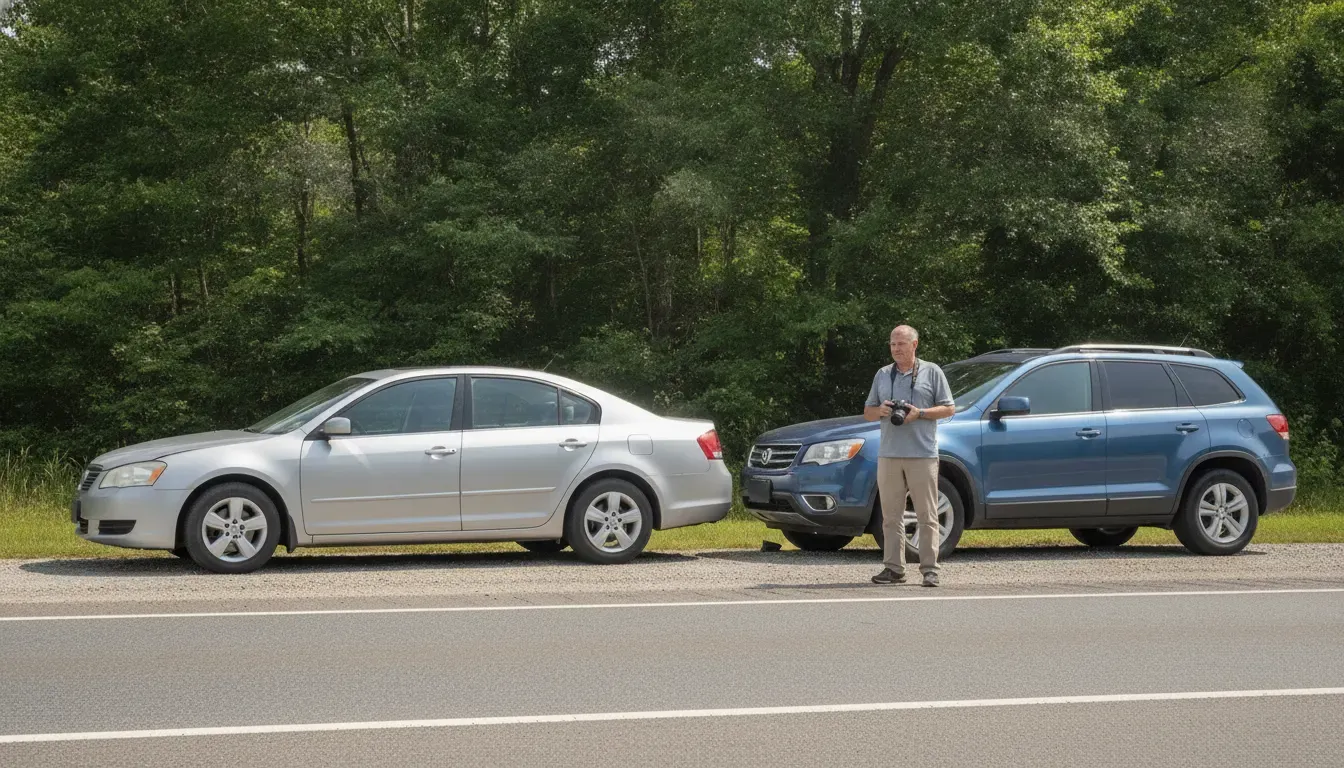
- The overall scene: Take wide photographs that show vehicle positions, the roadway, lanes, intersections, traffic controls, lighting, and relevant surroundings.
- Vehicle damage: Photograph every damaged area from several distances. Include close views and wider views that show which vehicle or part is involved.
- Road and weather conditions: Note rain, standing water, darkness, glare, debris, potholes, construction, skid marks, and other conditions that were present.
- Visible injuries: Photograph visible injuries only when you can do so safely and comfortably. Do not delay emergency treatment to collect evidence.
- Warning signs and signals: Capture traffic signs, signal heads, lane markings, work zones, and obstructions without entering an unsafe area.
- Time and location: Write down the date, approximate time, city, street, direction of travel, and the nearest identifiable intersection or address.
Keep the original photographs and videos in their original format. Do not rely only on images sent through a messaging app, because an app may compress the file or remove information. Make a backup in a secure location and record when the file was created or received.
Which information should you exchange with the other driver?
Collect basic identifying and insurance information without arguing about the collision. A driver may be upset, confused, or injured. Let law enforcement handle safety and investigative questions. Your notes should separate what you personally observed from what another person said.
- Names and contact information for the drivers and vehicle owners.
- Driver’s license details, vehicle make and model, license plate, and registration information when available.
- Insurance company names, policy information, and claim contact details.
- Names and contact information for passengers and independent witnesses.
- The responding agency, officer name or badge number, incident number, and instructions for obtaining a report.
Do not post a photograph of another person’s license, insurance card, or other private information online. Store it securely and share it only with people handling the claim or providing legal advice.
How can witnesses strengthen an Anderson collision record?
Witness information can preserve observations that may disappear as people leave the scene. Ask a witness for a name and reliable contact method, then write down where that person was standing or traveling and what the person said they saw. Do not coach a witness, ask for a conclusion, or pressure anyone to take your side.
Make a short witness note as soon as practical. Include the person’s description, vehicle, direction of travel, and the facts the person volunteered. If a nearby business, residence, or public agency may have a camera, record its location and the likely time window. Surveillance systems may overwrite footage, so tell Hammack Law Firm or another lawyer promptly when video may exist.
A witness does not need to know who caused the collision to be useful. A person may have observed the traffic light, the direction of travel, the sound of impact, the weather, or what happened immediately afterward.
What medical and financial records should you preserve?
Medical and financial records show how a collision affected your life after the scene is cleared. Keep a simple running file with dates, providers, symptoms, appointments, restrictions, bills, mileage, missed work, and out-of-pocket expenses. Be accurate and consistent. If symptoms change, record the change rather than trying to make the description sound more serious.
- Emergency department, urgent care, primary care, and specialist records.
- Discharge instructions, prescriptions, therapy schedules, and work restrictions.
- Medical bills, health insurance explanations of benefits, and receipts for related expenses.
- Pay records, leave records, employer notes, or other documentation of missed work.
- A private pain and activity journal that records symptoms, sleep, mobility, and daily limitations.
- Photographs showing the progression of visible injuries, dated when practical.
Tell each medical provider that the symptoms began or changed after the collision, and answer questions fully. Do not skip appointments simply to create a paper trail. Your health comes first, and treatment decisions belong with your medical providers.
| Record group. | Examples to preserve. | Why it helps. |
|---|---|---|
| Scene evidence. | Photos, videos, location notes, weather, signs, and lane details. | Shows the setting and conditions close to impact. |
| People and reports. | Witness contacts, officer information, incident number, and collision reports. | Helps identify independent observations and official records. |
| Health records. | Visit summaries, prescriptions, therapy, restrictions, and bills. | Connects treatment and expenses to reported injuries. |
| Loss records. | Pay records, leave information, receipts, and mileage. | Documents financial effects that may be part of the claim. |
| Claim communications. | Letters, emails, estimates, requests, and call notes. | Creates a timeline of what was requested and discussed. |
Keep this file organized by date, and use a separate folder for original media. A simple index can prevent an important document from getting buried in a long email thread.
How should you preserve insurance and claim communications?
Save every claim-related communication in one folder. Keep letters, emails, text messages, recorded-statement requests, estimates, releases, and notes from phone calls. For a phone call, write the date, time, name, number, claim number, and a neutral summary of what was discussed. Do not delete a message because it is frustrating or seems unimportant.
Be cautious before giving a recorded statement, signing a broad medical authorization, or accepting a settlement. Read every document, ask what it does, and consider legal advice before agreeing to language that may affect future claims. A quick response is not more important than understanding what you are being asked to provide.
For a broader explanation of how a South Carolina car accident claim can move from investigation to resolution, review the car accident claim process. If you were not at fault, Hammack Law Firm also explains what to do after a South Carolina car accident.
Which South Carolina collision reports may matter?
South Carolina has more than one type of collision record, and the right document depends on how the collision was handled and what happened. Start with the instructions from the South Carolina Department of Motor Vehicles and the responding agency. Do not assume that one form replaces every other report or insurance filing.
The South Carolina DMV Traffic Collision Report, Form FR-309 addresses collisions that were not investigated by law enforcement. The driver or owner must complete and send the form to the DMV within 15 days when total property damage reaches at least $1,000 or the collision involved injury or death. Read the current instructions carefully because the form describes the conditions, information, and filing address.
The South Carolina Department of Insurance auto-accident consumer alert also recommends collecting witness information, the exact location, road and weather conditions, and a photo or sketch of the scene. It explains that drivers may need insurance and collision-report paperwork after a crash. Use current state instructions rather than relying on a general checklist from an old claim.
If you need a copy of a collision report, review the DMV’s current FR-50 request form. The form states the request fee and available request options. Requirements can change, so confirm the current form before sending payment or personal information.
When should you get help with collision claim evidence?
Consider legal guidance when injuries are serious, fault is disputed, multiple vehicles are involved, or a commercial vehicle is involved. It may also be appropriate when a death occurred, an insurer requests a recorded statement, or the claim includes significant wage loss or long-term treatment. Early guidance can also help identify evidence that may disappear, such as video, vehicle data, roadway conditions, or business records.
Hammack Law Firm serves South Carolina injury clients, including people in Anderson. Its Anderson car accident page provides a starting point for understanding the firm’s collision practice. A consultation does not replace emergency care or a police investigation. It gives you an opportunity to explain what happened, share the records you preserved, and ask what may need attention next.
South Carolina’s Code of Laws Section 15-3-530 generally lists three years for an action involving an injury to a person. The correct deadline can depend on the parties, claim type, facts, and other laws. Do not treat three years as a safe waiting period. Speak with a qualified South Carolina lawyer promptly if you may have a claim.
Request a consultation with Hammack Law Firm
Frequently asked questions about Anderson collision claim evidence
Anderson drivers often have the same practical questions after a collision. These answers provide general information, not a case decision. The details of your injuries, the available reports, the insurance policies, and the conduct of each driver can change how a claim should be evaluated.
What is the most important evidence after a car collision?
Start with safe scene photographs, accurate location and time notes, witness contact information, the other driver’s insurance details, medical records, and claim communications. Preserve original files and keep a dated record of treatment and expenses. If you could not gather evidence because of an injury, seek medical care first and explain that limitation later.
Should I take pictures after a collision in Anderson?
Yes, if you can do so safely and without delaying emergency care. Photograph vehicle damage, the overall roadway, lane markings, signals, signs, debris, weather, and nearby features. Take wide and close views, preserve the originals, and avoid standing in traffic or entering a dangerous area for a better angle.
How do I get a South Carolina collision report?
Ask the responding agency how to obtain its report and review the South Carolina DMV’s current forms. Depending on the circumstances, a driver may need a collision form such as FR-309, while a person requesting a report may need the DMV’s FR-50 form. Confirm current instructions, fees, and eligibility before submitting a request.
Can I still make a claim if I did not take photographs?
Possibly. Photographs can help, but they are not the only evidence. Medical records, witness accounts, vehicle damage, repair estimates, reports, claim communications, employment records, and photographs taken later may still help explain the collision and its effects. Tell a lawyer what you did and did not preserve so the file can be evaluated honestly.
How long should I keep collision claim records?
Keep the records while the claim is open and longer if a lawyer advises it. Preserve original photographs, videos, messages, reports, medical records, bills, receipts, wage records, and settlement documents. Use a secure backup and avoid deleting or editing original files. A lawyer can help determine which records are material to your specific claim.
Talk with Hammack Law Firm about documenting your Anderson collision claim.

With over 25 years of legal experience, Paul Hammack provides his clients with a level of trial expertise and strategic insight rarely found in personal injury litigation. Having spent the first eight years of his career working within major insurance defense firms across Georgia and South Carolina, Paul gained an intimate understanding of the “other side’s” playbook. This insurance industry background serves as a unique differentiator for his clients; he knows exactly how insurance carriers evaluate risk and what motivates them to pay top dollar for a claim.
In 2008, Paul founded Hammack Law Firm to move away from the “plaintiff mill” model and focus on building personal relationships with those he represents. As a seasoned litigator, he has tried dozens of first-chair cases to verdict, specializing in high-stakes litigation involving catastrophic injuries and complex truck accidents. His dual-state practice allows him to provide aggressive representation across both South Carolina and Georgia, ensuring victims of negligence receive the maximum financial compensation possible regardless of which side of the state line the accident occurred.
Paul’s commitment to excellence is reflected in his record of significant achievements, including a $10 million tractor-trailer wrongful death settlement and a $3.9 million moped-versus-truck recovery. His credentials and bar admissions in both South Carolina and Georgia underscore his deep roots in the regional legal community. Beyond the courtroom, Paul is a dedicated advocate for his local community, contributing his time and resources to organizations such as the United Way, Red Cross, and Hands On Greenville, all while working to make South Carolina a safer place for everyone.


